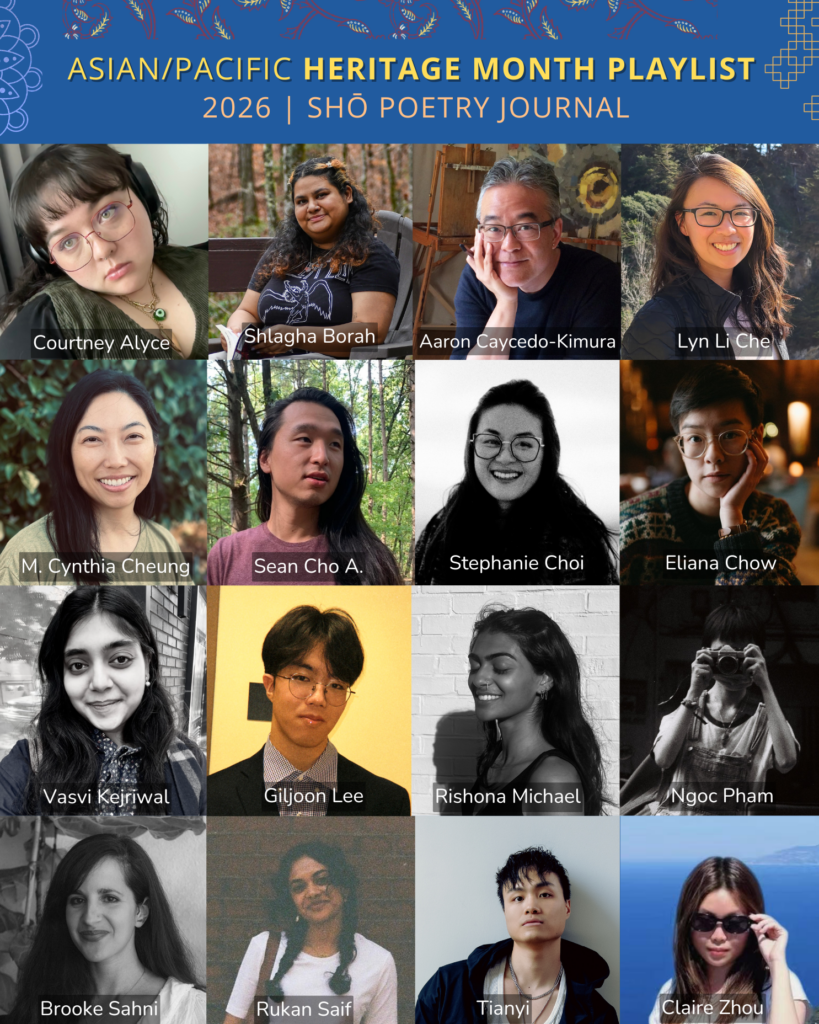
To celebrate Asian/Pacific American Heritage Month, we’ve curated this playlist of poems published in Shō Poetry Journal by Sean Cho A., Courtney Alyce, Shlagha Borah, Aaron Caycedo-Kimura, Lyn Li Che, M. Cynthia Cheung, Stephanie Choi, Eliana Chow, Vasvi Kejriwal, Giljoon Lee, Rishona Michael, Ngoc Pham, Brooke Sahni, Rukan Saif, Tianyi, and Claire Zhou. Also see related previously featured work by Chen Chen and Jessica Q. Stark.
Table of Contents[Hide][Show]
- “Subway Confession” by Lyn Li Che
- “Vulnerable” by Stephanie Choi
- “Shibboleth: Charminar” by Shlagha Borah
- Two Poems by Ngoc Pham
- Two Poems by Sean Cho A.
- Two Poems by M. Cynthia Cheung
- Two Poems by Aaron Caycedo-Kimura
- “Soon To Be a Cow” by Rishona Michael
- “Pyre” by Tianyi
- “Strange Desire” by Giljoon Lee
- “After My Father Died” by Vasvi Kejriwal
- “Harami Ghazal by Rukan Saif
- “perhaps the only stressed syllable is me” by Courtney Alyce
- “Cambridge IGCSE Biology Textbook, Chapter 19” by Claire Zhou
- “Bamboo Girl” by Eliana Chow
- “September” by Brooke Sahni
“Subway Confession” by Lyn Li Che
Of course I feel it. That sharp thorn of shame
that makes its home in the throat whenever a man
hisses nice tits on the subway or gestures again
at his crotch. That soft bile. That edge. That same blame
that makes me tug my skirt down, or take aim
at my reflection: my big mouth, my artificial skin.
“Subway Confession” appeared in Shō No. 8
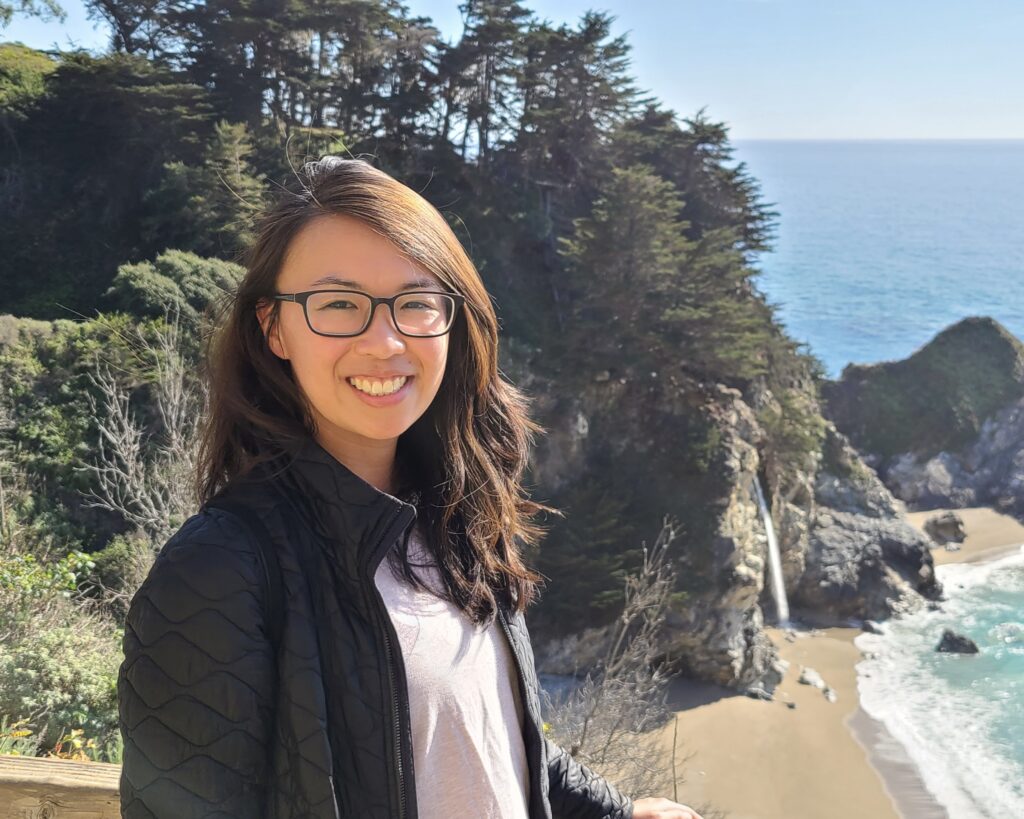
Lyn Li Che is from Malaysia. Her poems have been published or are forthcoming in Michigan Quarterly Review, Poetry Northwest, Copper Nickel, Passages North, The Missouri Review‘s Poem of the Week, Sixth Finch, Waxwing, and others. She lives in New York City.
“Vulnerable” by Stephanie Choi
Not one of those words which once learned, I couldn’t
stop saying, like ubiquitous or introspection—instead one
that people can’t stop saying to me about what I do, what
I teach. It’s just so...my friend says after a reading, another
friend’s dad, and another’s mom, say it’s so beautiful
your generation can be...
“Vulnerable” appeared in Shō No. 8
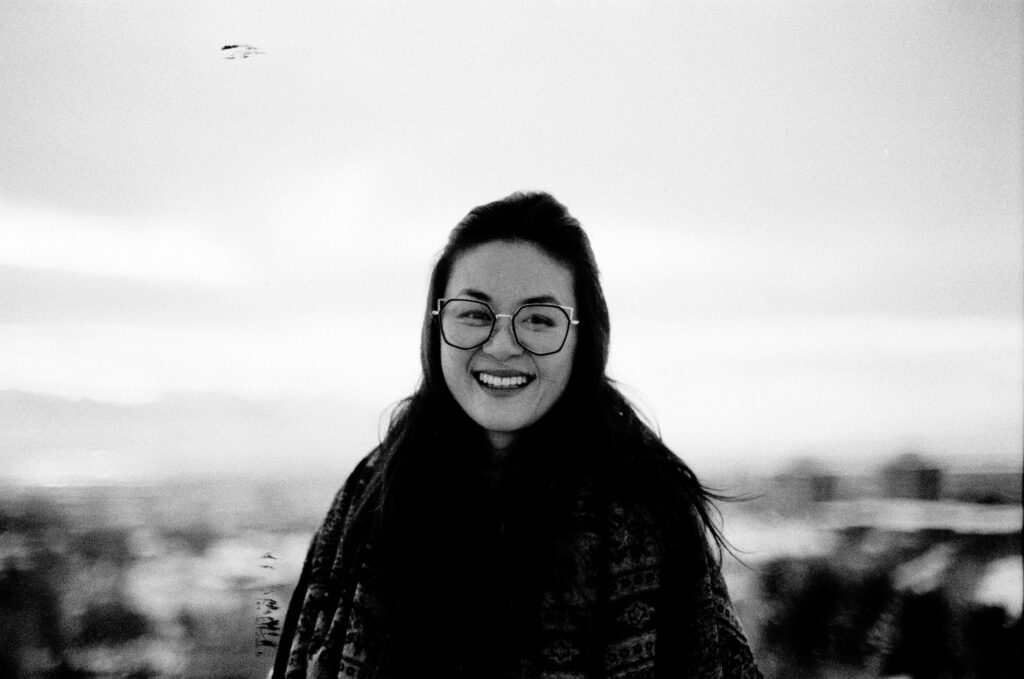
Stephanie Choi’s poems appear in Beloit Poetry Journal, Blackbird, Copper Nickel, Electric Literature, New Ohio Review, and elsewhere. Her debut collection, The Lengest Neoi, was selected by Brenda Shaughnessy for the 2023 Iowa Poetry Prize and published in 2024. She was the 2023-24 Poet-in-Residence at Sewanee: The University of the South and one of Poets and Writers Magazine’s Debut Poets of 2024. She is an Assistant Professor at Oklahoma State University, where she teaches creative writing at the undergraduate and graduate levels.
“Shibboleth: Charminar” by Shlagha Borah
You hear gunshots in the middle of the bazaar and think,
flame lilies. To eat and be eaten – half flower, half fury.
The history of love is the history of lethality.
About this Poem: “Shibboleth: Charminar” was born out of a collection of disconnected events and memories, all somehow rooted in violence or grief. There were many iterations of this poem but each draft was in vignettes because I didn’t think any other form could contain the magnitude and maximalism of personal and communal events happening in the poem. Charminar refers to both the monument in Hyderabad and the popular brand of cigarettes.
“Shibboleth: Charminar” appeared in Shō No. 8
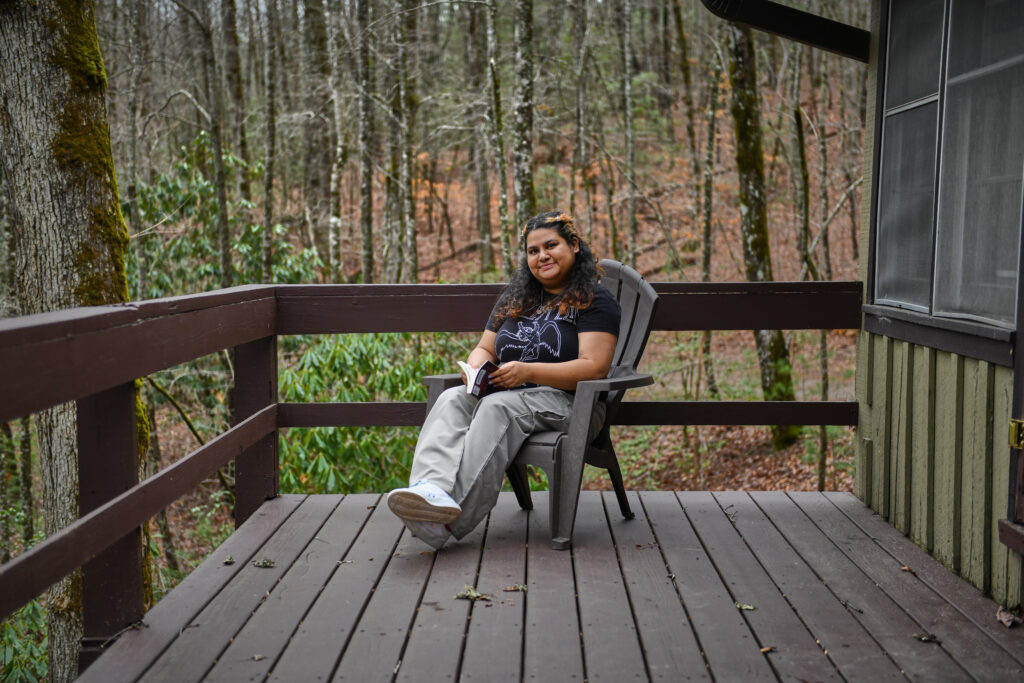
Shlagha Borah is from Assam, India. Her work appears or is forthcoming in POETRY, AGNI, Shenandoah, Epoch, Poetry Northwest, and elsewhere. She is the Valentines Editor at Honey Literary and Deputy Editor at The Offing. She’s a 2024 Ruth Lilly and Dorothy Sargent Rosenberg Poetry Fellowship finalist. Her work has been supported by Tin House, Brooklyn Poets, The Hambidge Center, The Peter Bullough Foundation, VCCA, Kimmel Harding Nelson Center for the Arts, among others. Her work is available at www.shlaghaborah.com. Instagram: @shlaghab
Two Poems by Ngoc Pham
from Portrait of My Family’s Poet, Alive
And when you come back from the war,
sling your pelt over
the three-step staircase, your camouflaged
backpack across the tiles,
you kneel before your mother,
a picture on an altar,
incense curled down to the stem.
Gecko’s chirps shimmer the night
and on wooden slats you lie
counting, deciphering their Morse code.
Odd for rain, even for sun.
About this Poem: “Portrait of My Family’s Poet, Alive” is part of an ongoing series in which I imagine conversations with a family member who was killed during Vietnam’s Resistance War against America, known as the Vietnam War in the U.S. Before his death, he was a poet. These poems attempt to use language as the common lineage to bridge familial history disrupted by war while reckoning with the inherent contradictions of writing about violent history in the language of those who perpetrated that violence. While writing this poem, I was reading his posthumously published collection Nửa Sau Khoảng Đời (literally translated to “the latter half of life”) to get an idea of what he might have been like since he died before I was born.
from Late Stage
Poets know about the pomegranate’s
poeticism: its blood-warm chambers,
gossamer membranes. Where are the poems
for de-ribbing kale or gutting a squash?
After her husband died, my grandmother
quit cooking, let her hair go white.
Note: “Late Stage” borrows its last line from Louise Glück.
“Late Stage” and “Portrait of My Family’s Poet, Alive” appeared in Shō No. 8
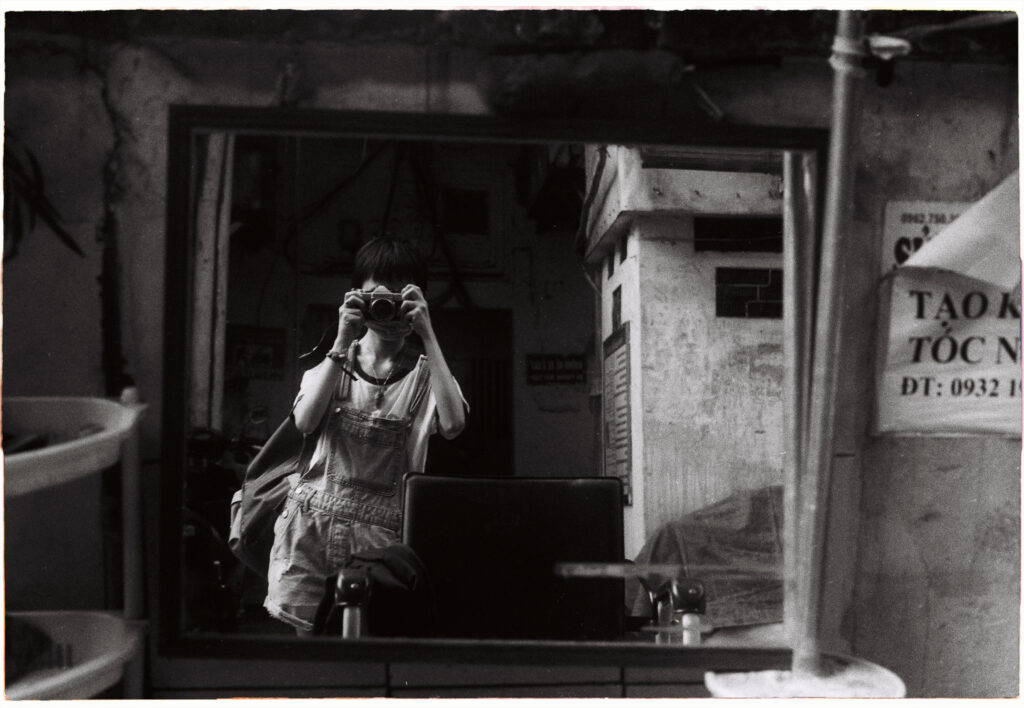
Ngoc Pham is a Vietnamese poet. Their poems have been featured in The Adroit Journal, Couplet Poetry, The Penn Review, Shō Poetry Journal, and the anthology Dear Human at the Edge of Time. They currently write and teach in Ithaca, New York.
Two Poems by Sean Cho A.
from Thesis Proof #9.5
we argue about whether plants can love.
you say: they lean toward the light.
i say: so do moths.
from Rushed Sonnet #7.5
what we know:
the moon did not consent to myth.
the birds will return in spring
whether or not we are watching
About these Poems: These poems were both “sonnets” in their original form. I was interested in memory as a form of revision. So I’d hurriedly write a sonnet before work each morning, then memorize as much of it as I could, then I’d dramatically throw the poem away, and go to work all day. When I got back home, I wrote down what I remembered of the poem.
“Thesis Proof #9.5” and “Rushed Sonnet #7.5” appeared in Shō No. 8
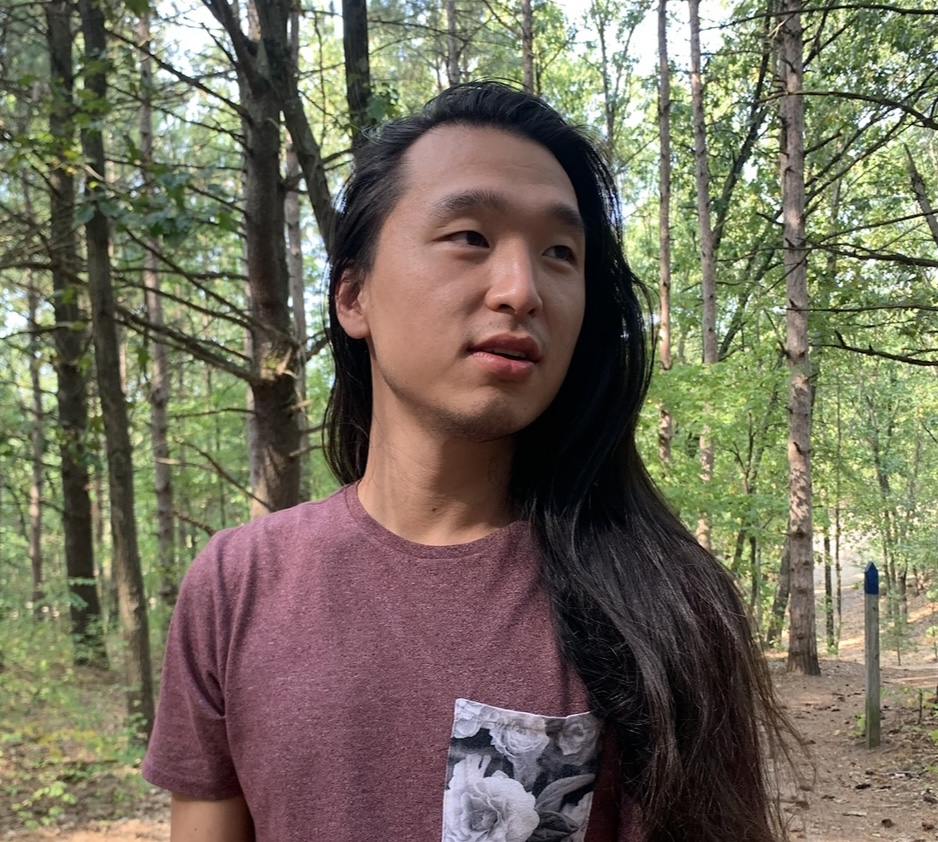
Sean Cho A. is a writer living in the southern united states
Two Poems by M. Cynthia Cheung
from Common Disaster No. 3
At parties, people joke about spitting
into tubes, then being told what percentage of them
is Neanderthal. I am more or less

the same—worried about my inability
to make small talk, air pollution
and guns, or, when falling asleep, failing to make

a diagnosis.
About this Poem: “Common Disaster No. 3” is essentially fiction, except for the bit about growing up with tornados and the scientific factoids. I wrote it during the early phases of the genocide in Gaza, and even though I did not explicitly mention it, I can feel its shadow traveling through the negative white spaces of the poem.
from Ensenada
In December, we drive south to visit friends.
It’s empty at the beach—high tide—but

the next morning, an object like a huge
mound of sand has appeared on the shore, as if

shoved up by the waves.
About this Poem: I wrote “Ensenada” after an occurrence that happened almost exactly as depicted in the poem. It’s the last poem I wrote for my debut collection and probably one of my favorites.
“Common Disaster No. 3” and “Ensenada” appeared in Shō No. 7
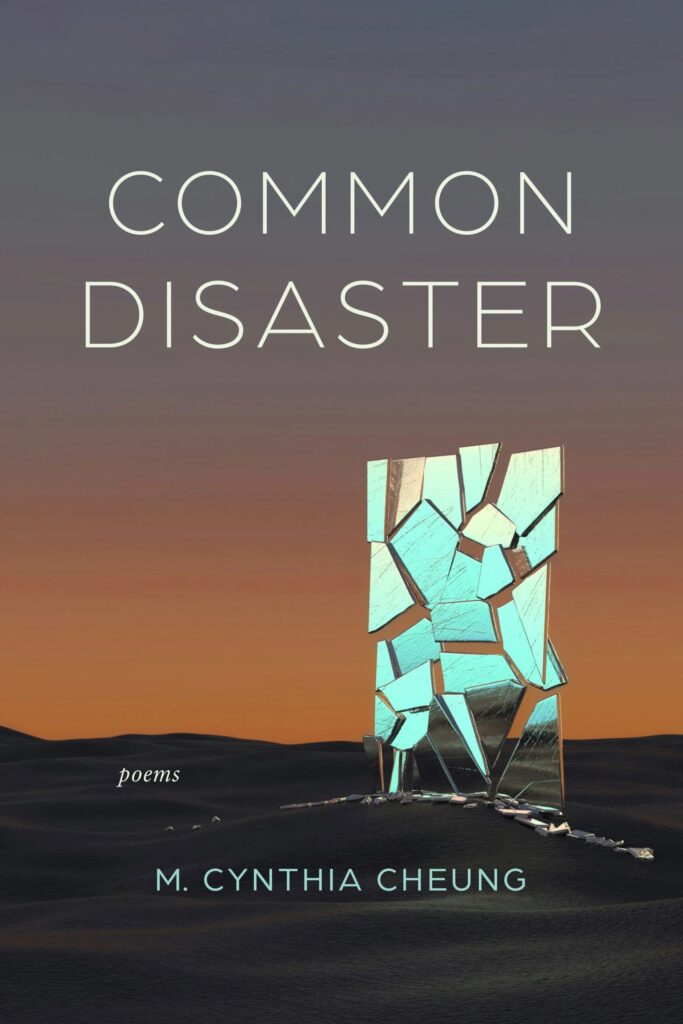
These poems appear in Common Disaster (Acre Books, 2025), “a remarkable debut collection that chronicles the experience of anxiety and anguish in the face of COVID-19.
As a front-line physician, M. Cynthia Cheung started writing poetry during the worst days of the COVID-19 pandemic. Her remarkable debut collection, Common Disaster, chronicles these experiences. Confronting not just the coronavirus but also war crimes and the death of loved ones, Cheung shows us that the pandemic is only one of many disasters we hold in common. In poems that look to both the past and future, she takes a stand against the extinction of self and memory, challenging the violence of erasure.”
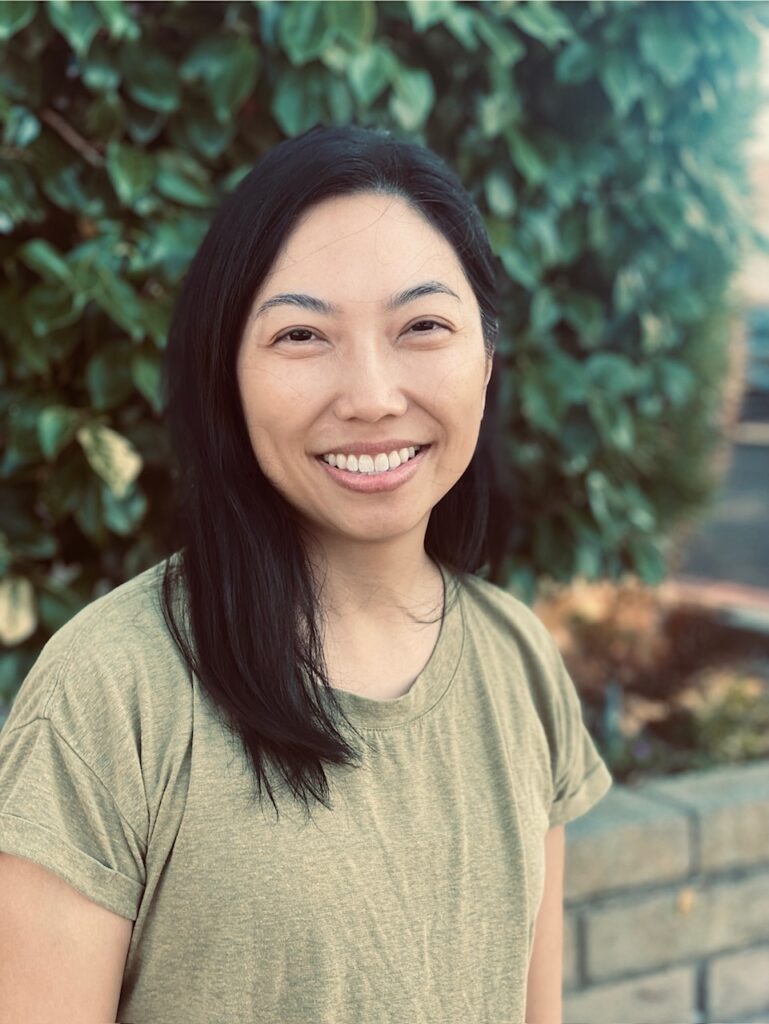
M. Cynthia Cheung is the author of Common Disaster (Acre Books). Her poems can be found in AGNI, Gulf Coast,The Massachusetts Review, Pleiades, and swamp pink, among others. She is the recipient of the Robert H. Winner Memorial Award from the Poetry Society of America and a fellowship from Idyllwild Arts Writer’s Week. She serves as a judge for Baylor College of Medicine’s annual Michael E. DeBakey Medical Student Poetry Award and as a poetry editor for Pulse: Voices from the Heart of Medicine. She practices internal medicine in Texas.
Two Poems by Aaron Caycedo-Kimura
from Summer Evening
Where are the fireflies? Moths
fluttering around the porch light?
No bug zapper to explain their absence.
Where are the cushioned wicker chairs
where these two can sit, laughing
with glasses of sweetened iced tea?
from From the Great Depression
By home, he means Myrtle Avenue
in Brooklyn where he runs a one-meal
restaurant that serves ten-don.
Factory workers from the Navy Yard
come to eat every day. Other American

customers buy his mini “Japanese”
moss gardens, adorned with round stones
and a plant marker—good fortune inked on
in kanji.
“Summer Evening” and “From the Great Depression” appeared in Shō No. 7
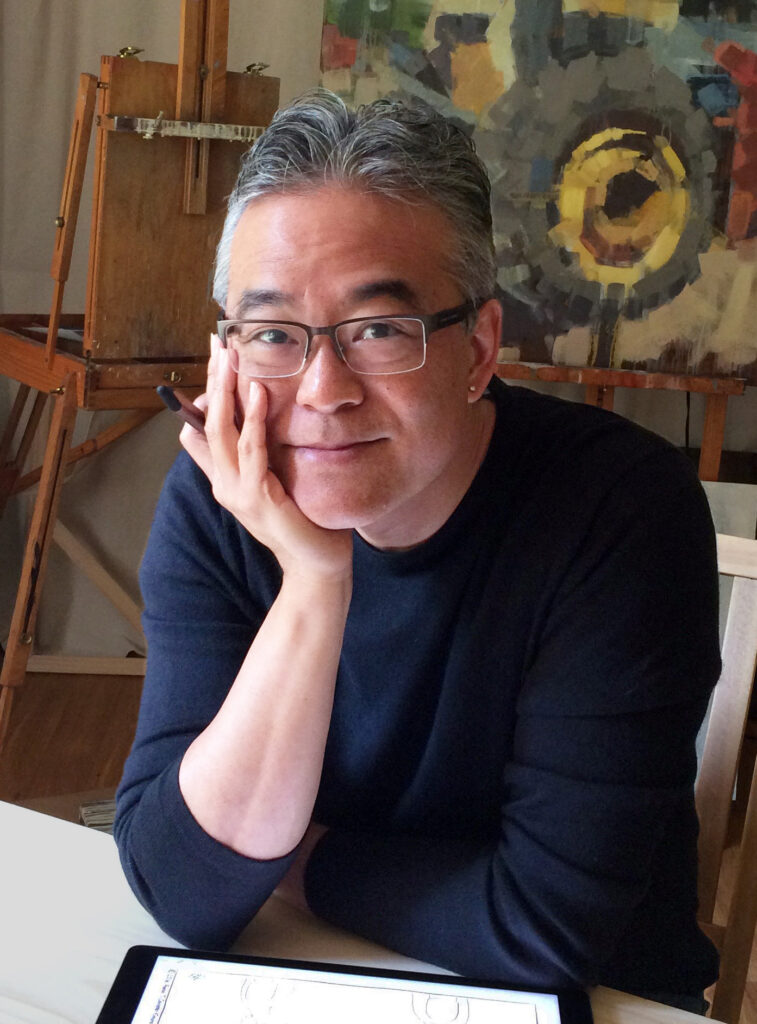
Aaron Caycedo-Kimura is the author of Common Grace (Beacon Press, 2022) and Ubasute (Slapering Hol Press, 2021). His honors include a MacDowell Stanford Calderwood Fellowship, a Robert Pinsky Global Fellowship in Poetry, a Connecticut Office of the Arts Artist Fellowship Award, and a St. Botolph Club Foundation Emerging Artist Award in Literature. His work has appeared or is forthcoming in Beloit Poetry Journal, RHINO, The Cincinnati Review, Consequence, Shenandoah, Gordon Square Review, Cave Wall, and elsewhere. Caycedo-Kimura earned his MFA from Boston University and teaches creative writing at University of Hartford and Trinity College.
“Soon To Be a Cow” by Rishona Michael
My jealousy has been aching for you. Jealous at all the bottles
able to empty themselves into you. Of all the ears
close enough to make you feel heard.
But back in Cuautla my brain ached for space
away from it all. To be one of the cows in the field,
without their herd.
Sitting on all fours like a dog. Obedient to time.
There's a poem that ends there. At: Obedient to time.
About this Poem: I started writing about an image of ants devouring my summer days, a few years ago. It has been an image that came back summer after summer, but in different ways. However, I could never work the image into a poem. Until one day in Mexico, my love and I watched a bunch of ants carry a huge bettle up a pillar. I was experiencing my first ever prolonged breakup that vacation. So I had been craving to make the trip last forever, while also wanting to leave the pain immediately. When I returned back to the image of ants in my writing, somehow this poem came about. Including moments I had cherished alongside time and perhaps hindsight, and this importance of returning to the self.
“Soon To Be a Cow” appeared in Shō No. 7
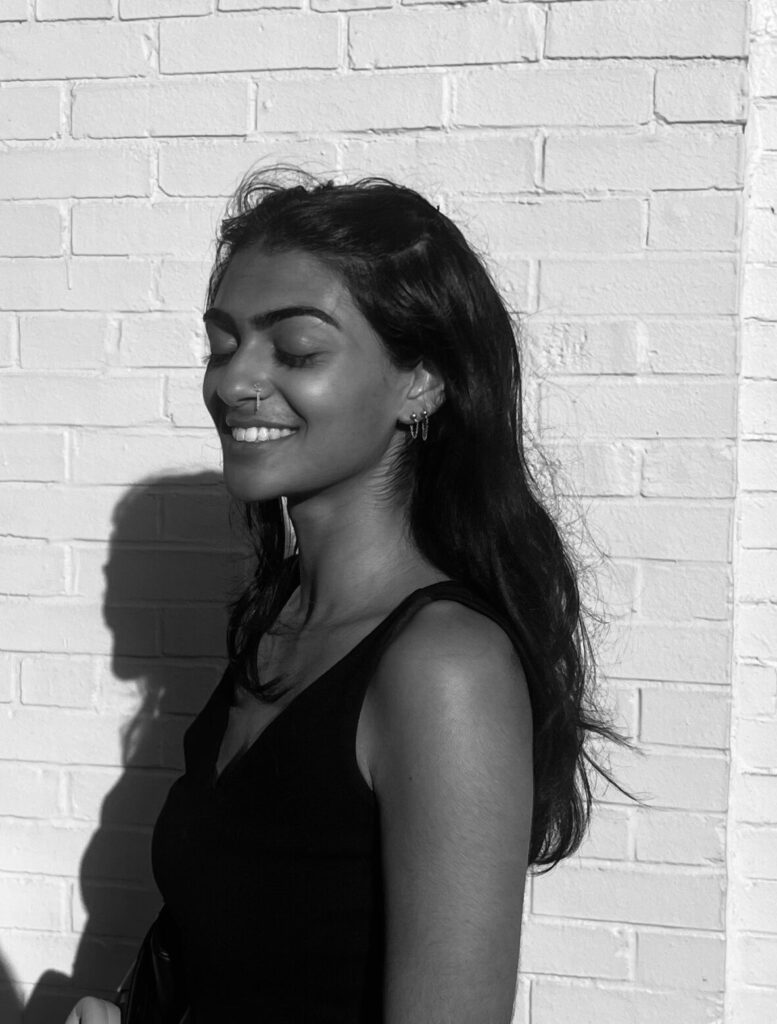
Rishona Michael is a Brooklyn based poet. A graduate of the Sarah Lawrence College MFA’s program where she won an Academy of American Poets University Prize. Her work has appeared or is forthcoming from No, Dear, Shō Poetry Journal, Poets.org, Black Warrior Review, Prairie Schooner, and more. She has received support from Sundress Academy for the Arts, reads for Pigeon Pages, and teaches poetry courses through GrubStreet. In 2025 she became the Poetry Coalition Fellow for Kundiman.
“Pyre” by Tianyi

About this Poem: There is a consummation the first time we are alone, and as such, a kind of burning away as well.
“Pyre” appeared in Shō No. 8
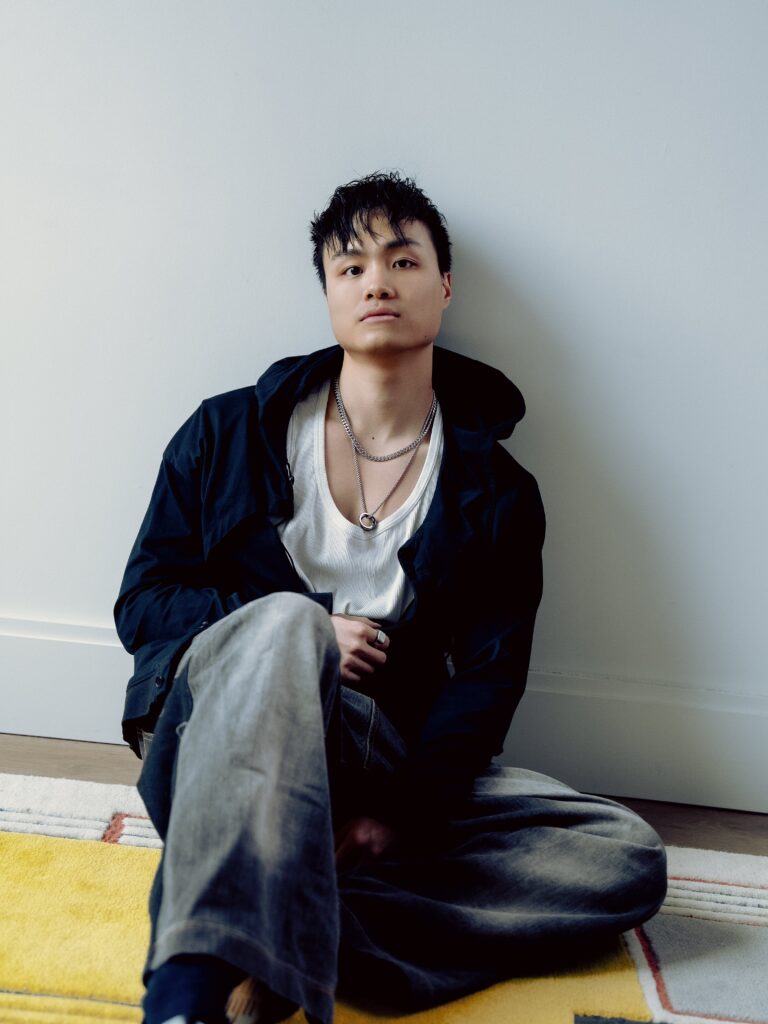
Tianyi is a poet based in New York, from Hong Kong. His work can be found or is forthcoming in Poetry Daily, Poetry Northwest, the New England Review, Copper Nickel, the Los Angeles Review of Books, and more. He is currently an MFA candidate at Columbia University where he is a Max Ritvo Poetry Fellow.
“Strange Desire” by Giljoon Lee
When I write of sadness it sounds like sex

Because when a man cries in a movie, you know someone is dead—
O lover, O lover

Then the flashback: arms, thighs, breasts
“Strange Desire” appeared in Shō No. 8
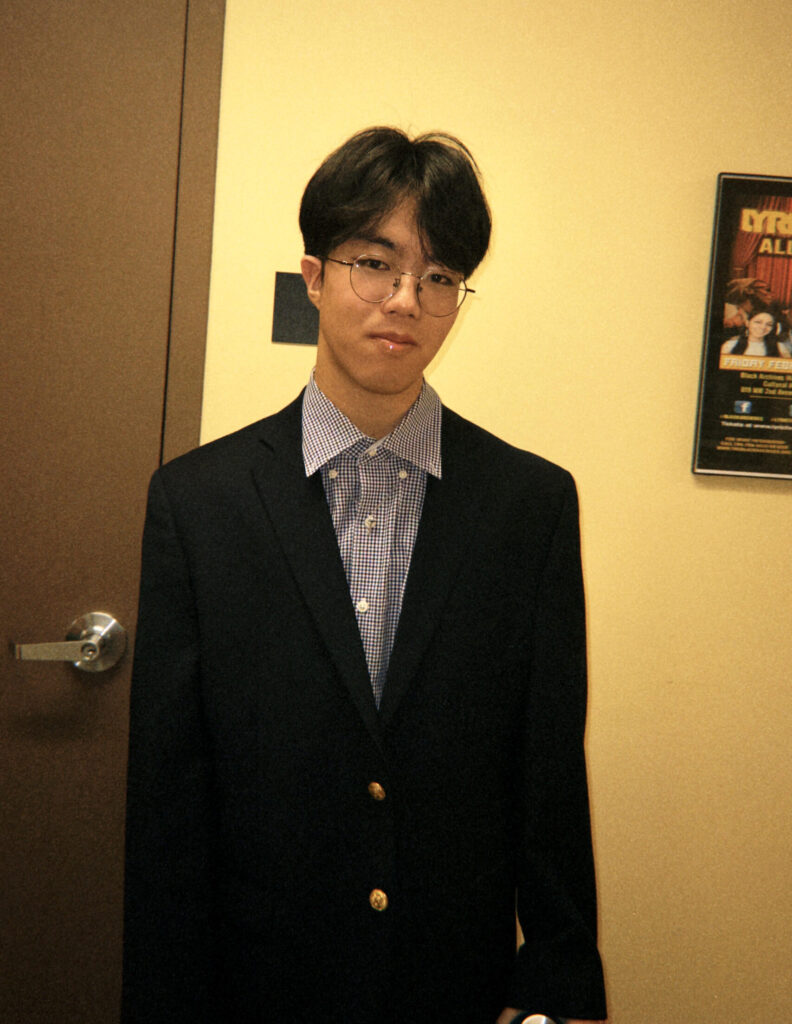
Giljoon Lee is from Gyeonggi-do and lives in California. His work appears or is forthcoming in Liberties, phoebe journal, Foglifter, and elsewhere. Find him online at giljoon.com.
“After My Father Died” by Vasvi Kejriwal
every man I dated wore
a bodysuit. I only discovered this
up close—each time, I unzipped the suit
to find my father buried underneath.
I wanted them all to like me
even when I might not have liked them.
I arrived late everywhere.
Had it become impossible to stare at a tree
without keeping someone waiting?
My neighbor’s peepal grew first in
then out of the stone wall,
like a beautiful ghost.
About this Poem: I think of poetry as a largely invisible craft—so much of the work happens long before language arrives, in the subconscious or via a mode of deep thinking and observation, in patterns of noticing, in whatever we carry quietly for years. Last summer, I found myself preoccupied with the idea of incubation: the time lapsed between contracting a fatal illness and when the body succumbs. That line of thinking was already alive in me when Catherine Barnett suggested I read Marie Howe’s “Magdalene—The Seven Devils,” which I felt can read as a sort of list of admissions (not confessions, because I dislike the idea of the confessional poem, as it so often seems to be unequally attributed to women poets for some reason). My first draft took the shape of a free write of my own list, in which I first put down: unpunctuality. Soon, and rather abruptly, I was faced with a towering wall of my grief, and the only way to negotiate it was to write this poem.
“After My Father Died” appeared in Shō No. 7
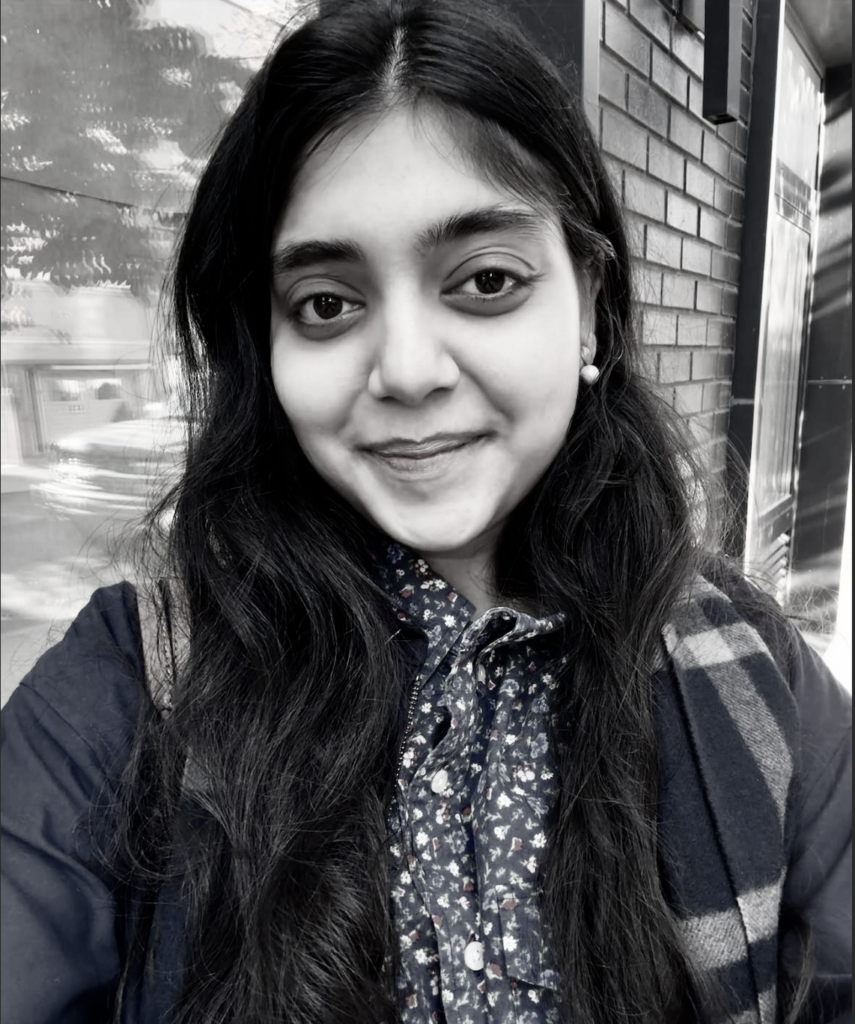
Vasvi Kejriwal (she/her) is a writer from India. She is the winner of the Black Warrior Review Poetry Contest and Spoon River Review Editors’ Prize. Her work has been nominated for a Pushcart and been named a finalist for the Yellowwood Poetry and Epiphany Breakout Prizes. Her writing has received support from Tin House, the Community of Writers Conference and The Watering Hole. Her poems appear or are forthcoming in Rattle, Four Way Review, Nimrod, wildness, and elsewhere. She has facilitated poetry workshops at NYU, the Emily Dickinson Museum and the Dalton School. She loves discovering the names of flowers she’s crossing paths with for the first time.
“Harami Ghazal by Rukan Saif
My god tells me not to bare my sins,
but the last time I prayed

was in a past life. I am still trying to find my way
there. Picture me tightly scarved. Picture me a prayer,

the Arabic slipping under my tongue, lingual frenulum thick
with sea salt. Each plosive a wave cresting over. What is praying

if not the ocean receding from the shoreline,
only to return? And what is guilt if not a prayer
About this poem: Some of the most fun advice I received on form was to break into it. I find it really satisfying when a ghazal turns into/against itself and breaks its own rules while clearly still being a ghazal. When I was writing this poem, I was thinking a lot about faith, fracture, and return. I felt that the ghazal form allowed me to honor return with its repetition and circularity, while the refrain of “pray/prey” allowed me to study the connection between faith and fracture.
“Harami Ghazal” appeared in Shō No. 8 and was selected as the runner-up of the Sita Martin Prize for the issue.
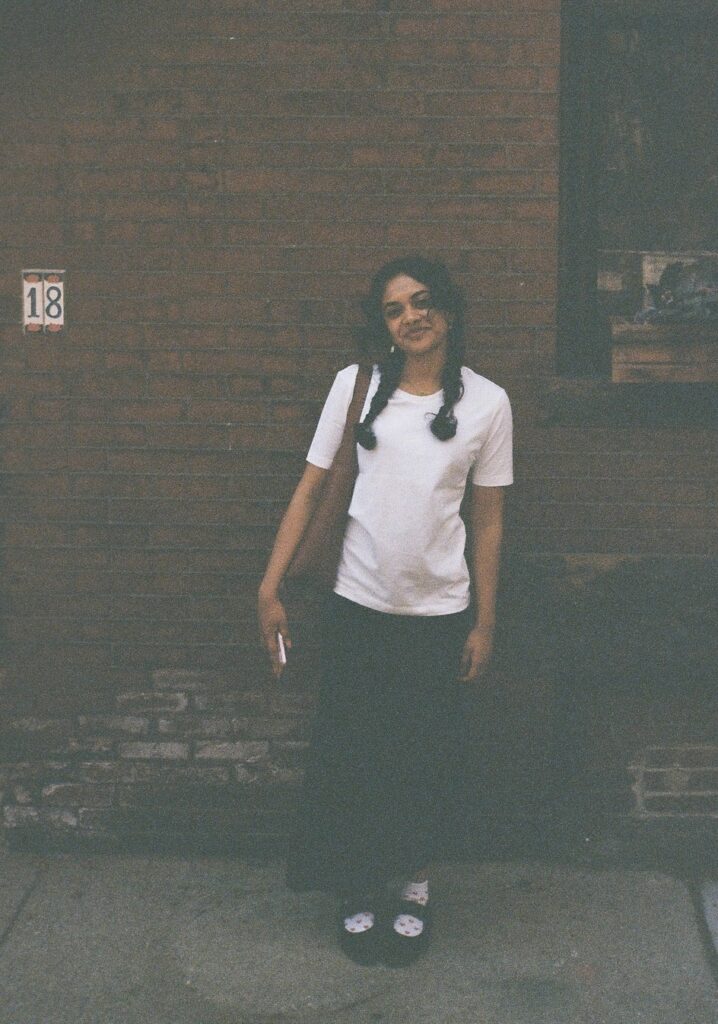
Rukan Saif is a poet and essayist from Los Angeles. Her work has appeared in wildness, The Rumpus, Hayden’s Ferry Review, and elsewhere. A Pushcart Prize nominee, she reads for ONLY POEMS and has received generous support from Brooklyn Poets and The Juniper Institute. She lives in Baltimore.
“perhaps the only stressed syllable is me” by Courtney Alyce
because i funnel money into the kpop industry instead
of my future. because of course jo-ann and i go
bankrupt. because suicide & schizophrenia run
on both sides of the family so we should &
shouldn’t smoke weed. because my grandma
would have hated kpop were she alive. because
my father is selfish. because the only way i can connect
is with my mouth.
“perhaps the only stressed syllable is me” appeared in Shō No. 8
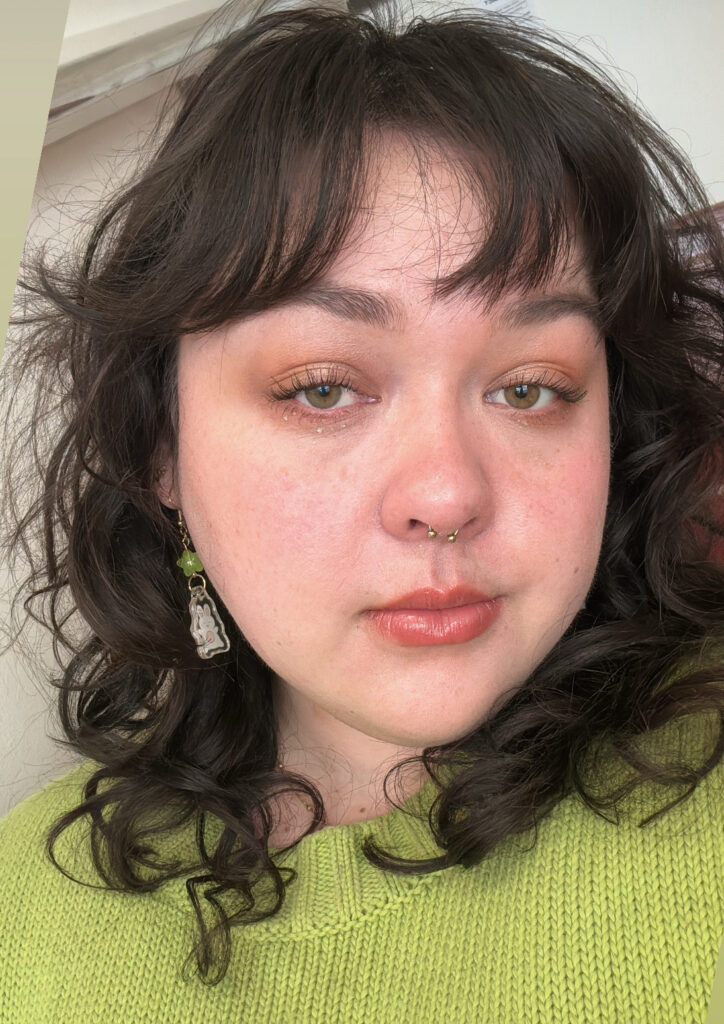
Courtney Alyce is a poet and essayist based in the Bay Area. She holds an MFA in Creative Writing from San Jose State University. When she isn’t in agony over the implications she enjoys knitting, flying kites, and blowing glass with her partner James.
“Cambridge IGCSE Biology Textbook, Chapter 19” by Claire Zhou
You are what you eat. Your every sinew
born from the tomb of history: liver,
kidney, lungs, brain. Heart. Red as a cow’s
tongue flicking through dry air, tender
& slick with heat.
“Cambridge IGCSE Biology Textbook, Chapter 19” appeared in Shō No. 5

Claire Zhou is a student from Suzhou who is now based in Los Angeles. Her poetry has appeared in Gulf Coast, Chestnut Review, Puerto del Sol, and Tinderbox Poetry Journal, among others. A 2024 finalist for Tinderbox’s Brett Elizabeth Jenkins Poetry Prize and Palette Poetry’s Rising Poet Prize, her work has also been recognized by the National Young Arts Foundation, Hollins University, the Adroit Prizes, and more. She founded Words Beyond Bars, a literary journal for those affected by incarceration.
“Bamboo Girl” by Eliana Chow
You told me God was calling you to the communists,
and I didn’t have the heart to say they killed my ancestors
in their dreams, sleepwalking to Hong Kong and Taiwan
and containment camps aimed to bleed the west

of their intellectual atonement. For deeds undone,
God tells us to love our enemies, but I will not
raise my children in the land my dead grandfather fled to
love the outcast in Pittsburgh instead.
“Bamboo Girl” appeared in Shō No. 3 and was nominated for Best Spiritual Literature.
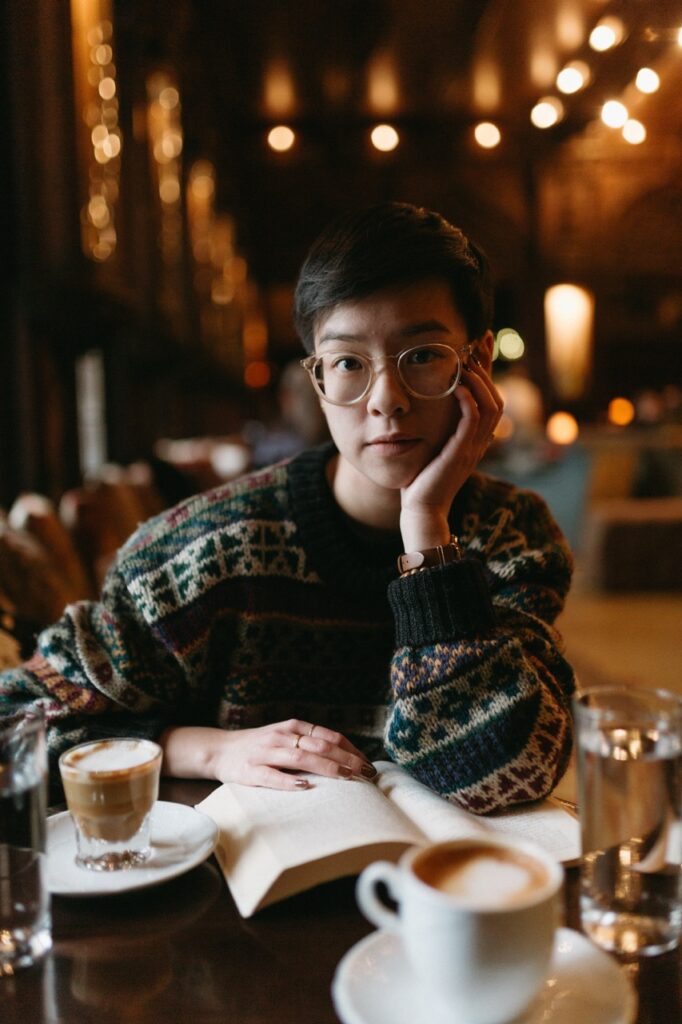
Eliana Chow is a poet and editor currently living in Chicagoland. She received her B.A. in English writing from Wheaton College (IL) and is completing her M.F.A. in poetry through Cedar Crest College’s Pan-European Creative Writing Program. Her work has been published in Honey Literary and Invisible City Literary Journal among others. She can be found online at elianachow.com.
“September” by Brooke Sahni
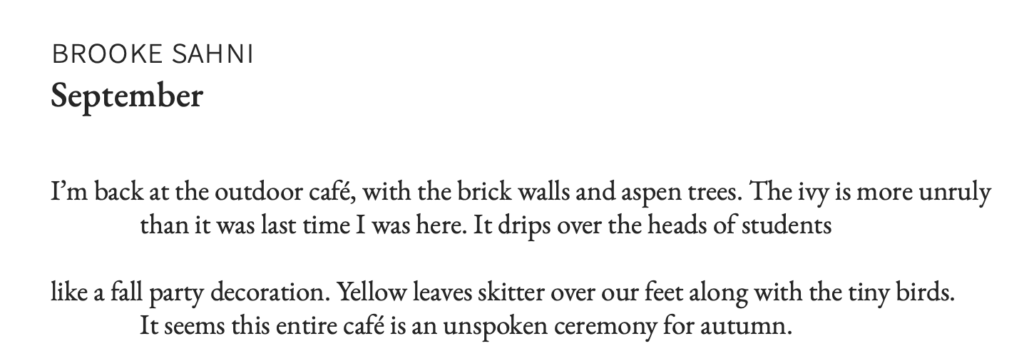
“September” appeared in Shō No. 7.
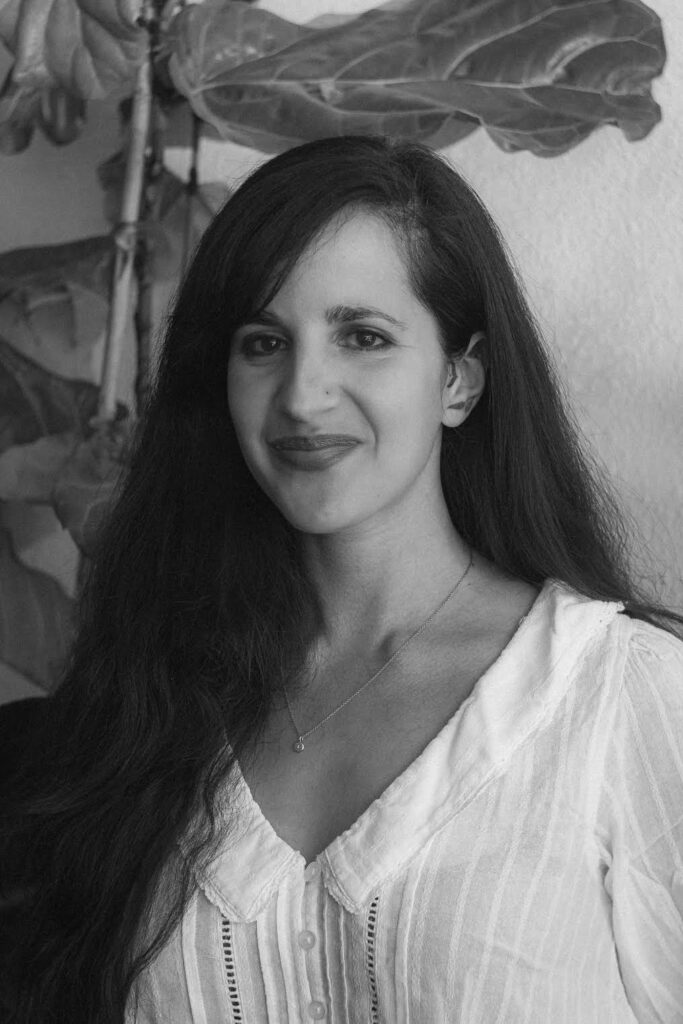
Brooke Sahni is the author of four collections of poetry, most recently In This Distance. Her debut collection, Before I Had the Word (Texas Review Press), won the X.J. Kennedy Poetry Prize and her chapbook, Divining (Orison Books), won the Orison Chapbook Prize. Her poetry and fiction have appeared in journals such as Alaska Quarterly, The Missouri Review, Nimrod, The Cincinnati Review, Boulevard, Verse Daily, 32 Poems and elsewhere. Her poetry chapbook, Letters, Dreams is forthcoming in fall 2026.
RELATED WORK: ASIAN/PACIFIC HERITAGE MONTH
Two Poems by Jessica Q. Stark
“The Confession of Marie Antoinette” and “Self-Erasure: The Confession of Marie Antoinette as a Sundial” from Shō No. 7
One Poem by Chen Chen
“That Time You Were Giggling, Giggling, Giggling” from Shō No. 8