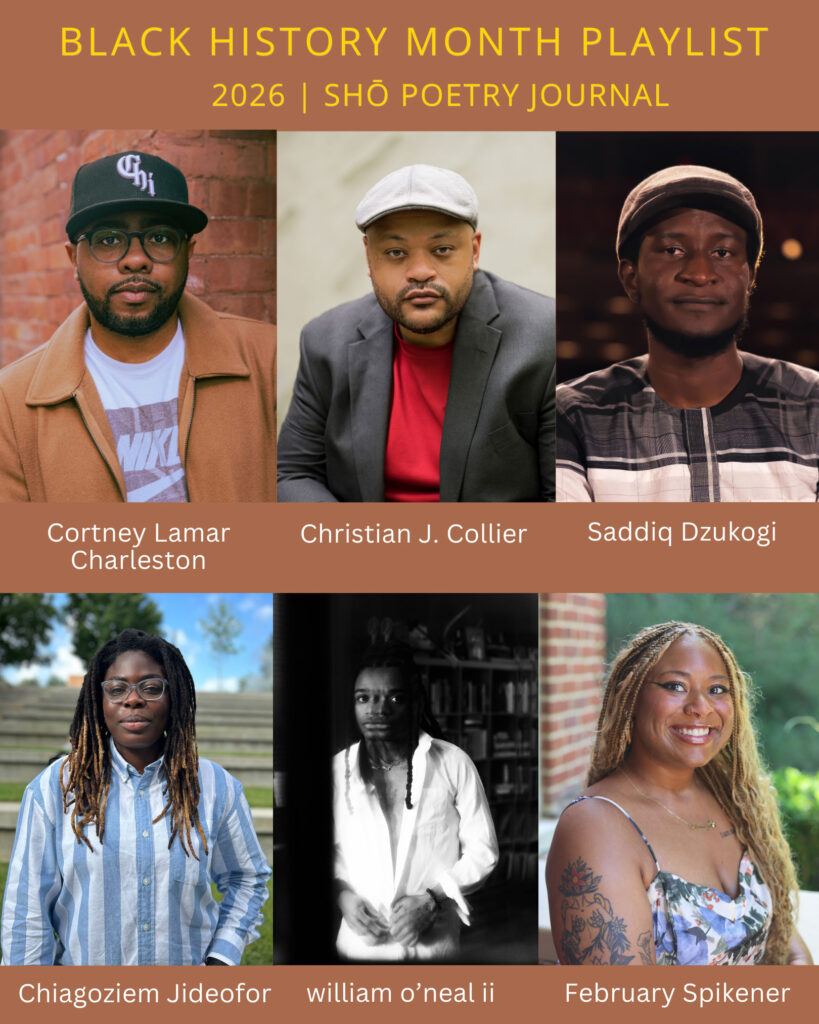
To celebrate Black History Month, we’ve curated this playlist of poems by Cortney Lamar Charleston, Christian J. Collier, Saddiq Dzukogi, Chiagoziem Jideofor, william o’neal ii, and February Spikener. Their work was published in Shō No. 8, Shō No. 7 and Shō No. 6, and Shō No. 5.
Three Poems by Christian J. Collier
“I Know Grace Best,” and “Hixson Pastoral,” and “Nocturne”
from I Know Grace Best
Men see each other clearest when our eyes can’t meet.
from Hixson Pastoral
There is nothing that isn’t nature.
No matter how much water, how much cotton light,
there are naked patches in my lawn where nothing will grow.
from Nocturne
The South’s always been, at least, half magic.
None of Her children are ever too old to be held or hoisted up.
“I Know Grace Best,” “Hixson Pastoral,” and “Nocturne” (Winner of the Shō Poetry Prize) appeared in Shō No. 7.
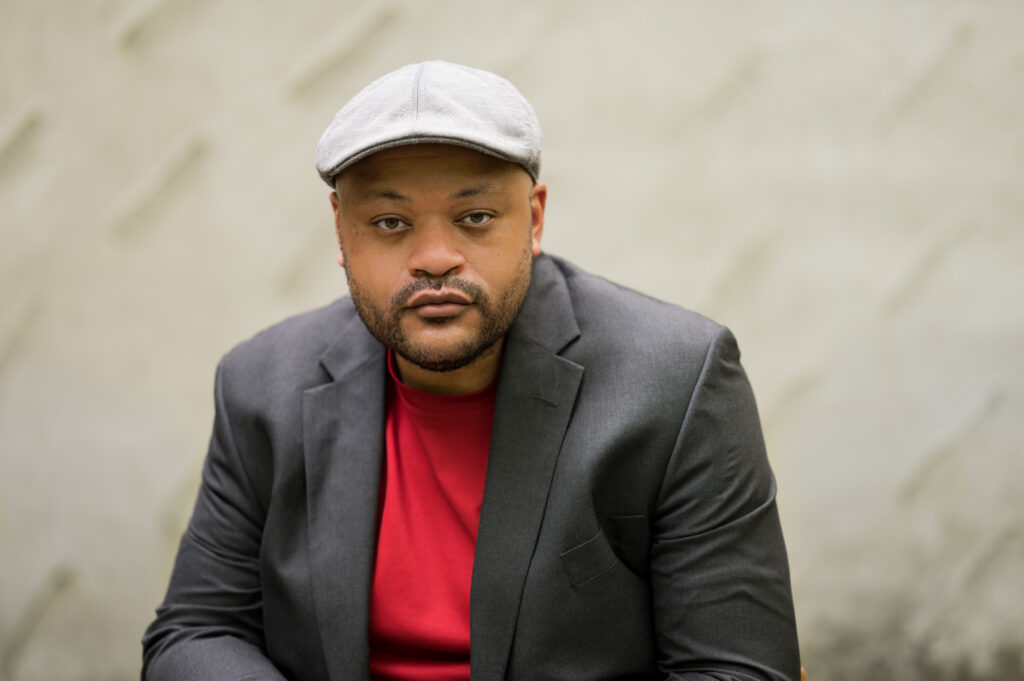
Christian J. Collier is a Black, Southern writer, arts organizer, and teaching artist who resides in Chattanooga, TN. He is the author of Greater Ghost (Four Way Books, 2024), and the chapbook The Gleaming of the Blade, the 2021 Editors’ Selection from Bull City Press. His work has appeared in The Atlantic, POETRY, December, and elsewhere.
Two Poems from “Bakandamiya” by Saddiq Dzukogi
from Bakandamiya IX
Who can say for sure // how death starts, or where. Maybe at the place / where grief left teeth marks on the body. Or in a dream.
from Bakandamiya VIII
Seated in hot winter day in Starkville, / I think of my fear of birds // and anything that flies at night.
“Bakandamiya IX” (Nominated for Best Spiritual Literature) and “Bakandamiya VIII” appeared in Shō No. 6.
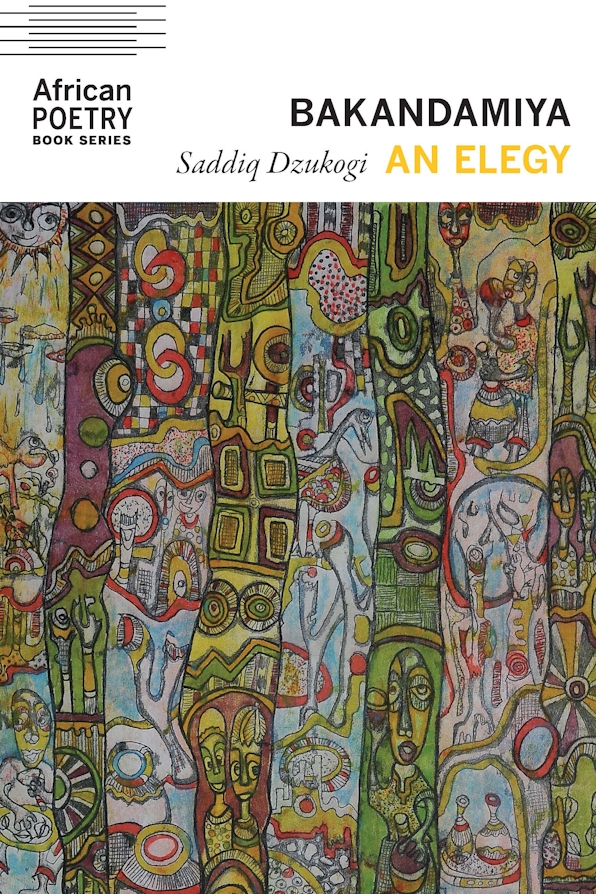
About these poems: This is an excerpt from “Bakandamiya: An Elegy,” a book-length epic poem set in northern Nigeria. “Bakandamiya” was released on December 1, 2025 and is available from The African Book Fund via University of Nebraska Press.
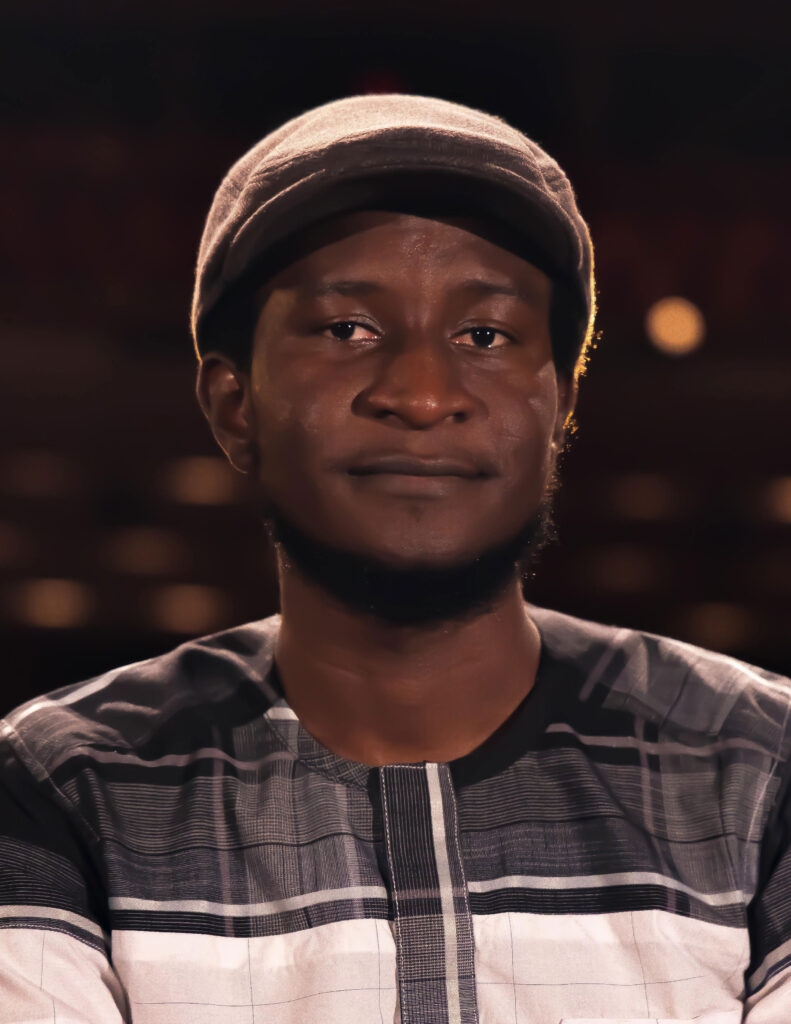
Saddiq Dzukogi is a Nigerian poet and assistant professor of English at University of Nebraska-Lincoln. He is the author of Your Crib, My Qibla (Nebraska, 2021), winner of the Derek Walcott Prize for Poetry and the Julie Suk Award and shortlisted for the Nigeria Prize for Literature. His poems have appeared in Poetry Magazine, Kenyon Review, Prairie Schooner, Narrative Magazine, Ploughshares, Guernica Magazine, Poetry London, Best American Experimental Writing Anthology, and Cincinnati Review. He has received fellowships from the Nebraska Arts Council, Mississippi Arts Commission, and Cave Canem.
“Passover” by william o’neal ii
from Passover
Yesterday, I mistook a pimple for a tumor & the news
anchor said the cops mistook a dog for a negro.
Both can be signs of miracle if you face
the right direction.
About this Poem: I wrote this poem after a string of nights with a lover. I entered it wanting to write an erotic poem, but then it quickly turned into a poem about blood. I noticed all the images I wanted to write about were shades of red: Lillies, pimples, period sex, love. When I realized that Passover was a few weeks away, the poem broke open. I got stuck on how to end the poem but as I was working my cafe job in Brooklyn, repeating the lines in my head, a customer walked in & gifted me an empty glass Coke bottle with a lilly inside. I thanked him for the flower & also, silently, for the small ending to the poem. The poem, then, became about noticing death in the presence of tenderness & pleasure.
“Passover” appeared in Shō No. 8.
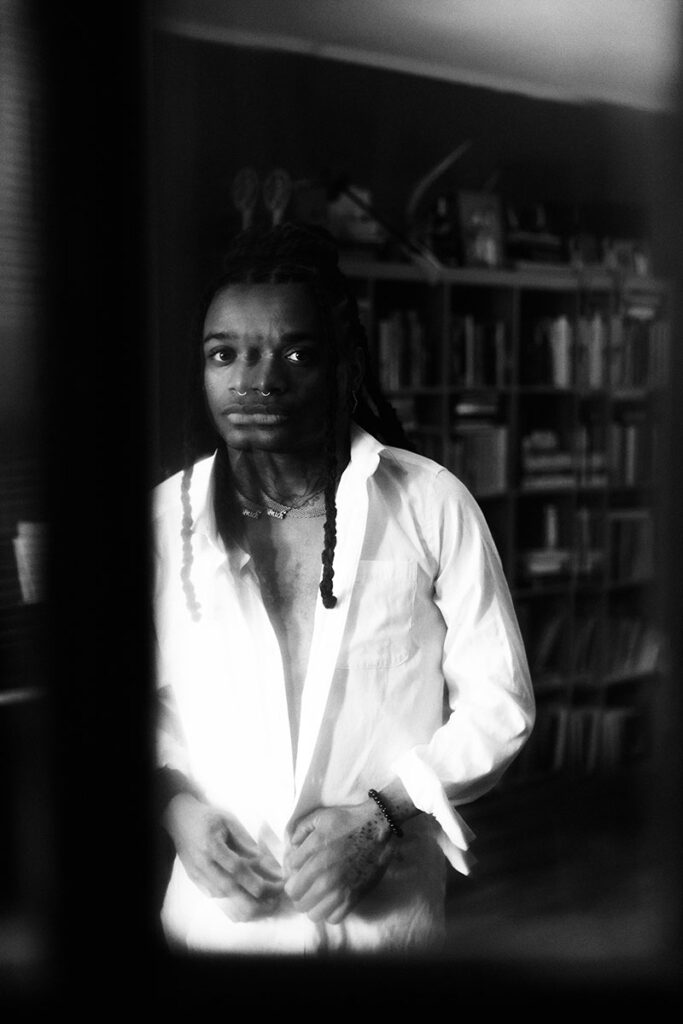
william o’neal ii is a writer from the American South, living & working in both New York & Iowa City. Their work has been published in ONLY POEMS, Rampage Party Press, The Journal, The WB Yeats Society of NY, & HouseHouse Magazine, among others. They also work as a playwright, having premiered plays in both New York City & Los Angeles.
william is currently a poetry research fellow at the Iowa Writers’ Workshop.
Two poems by February Spikener
“The First Autopsy” and “Only Toni Morrison Understands What I Mean When I Say I’m Hungry”
from The First Autopsy
We were too young to have seen the inside of
something that once had a heart beating in its throat.
from Only Toni Morrison Understands What I Mean When I Say I’m Hungry
                                                Last month,    her own

      mother-mirror    appeared    beside her,  asking if she too

could have hers    smeared with blood     of the lamb—
“The First Autopsy” and “Only Toni Morrison Understands What I Mean When I Say I’m Hungry” appeared in Shō No. 7
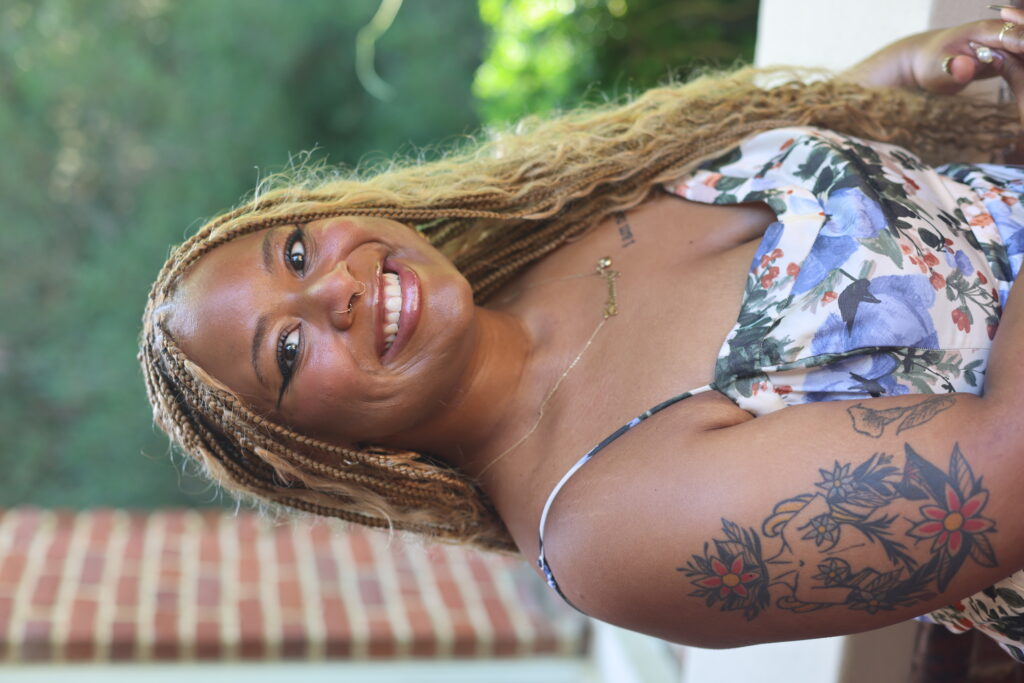
February Spikener (they/she) is a Black femme poet from Detroit. Her work has been published in Black Warrior Review, Muzzle Magazine, and Poet Lore, among others. Ever inspired by their loved ones, their poems reflect how they navigate through the world and what it means to love and be loved. She believes that love is and has always been the answer and that the mastery of love is a form of survival. They are also a member of the multimedia group, the Basement Artists Collective. She lives in Chicago.
Two poems by Chiagoziem Jideofor
“after the storm when a white dove appears” and “a name, a condition”
from after the storm when a white dove appears
no, nothing ever starts clean
our docked boat was full of passengers and the abominations we ate
About this Poem: The poem interrogates the rhetoric of reportage, especially how the detached language of mass media can inadvertently nurture a pervasive apathy in all of us. In an era where global violence is a constant backdrop to our lives, the poem poses a critical question: have we become severely inured to the sight of human-wrought violence?
from a name, a condition
a name is a pillar. a name is a post.
About this Poem: I have always been intrigued by names; how they reveal circumstantial truths and are emblematic, almost like self-portraits, capturing particles of our past, future, and sometimes our present. Names, for me, are attempts at creating personal myths and inventing language that makes meaning of our environment and experiences. So when I stumbled on the poem “SARAI” by Sarah Ghazal Ali, it kickstarted something that eventually expanded to become this poem.
“after the storm when a white dove appears” and “a name, a condition” (nominated for Best Spiritual Literature) appeared in Shō No. 5.
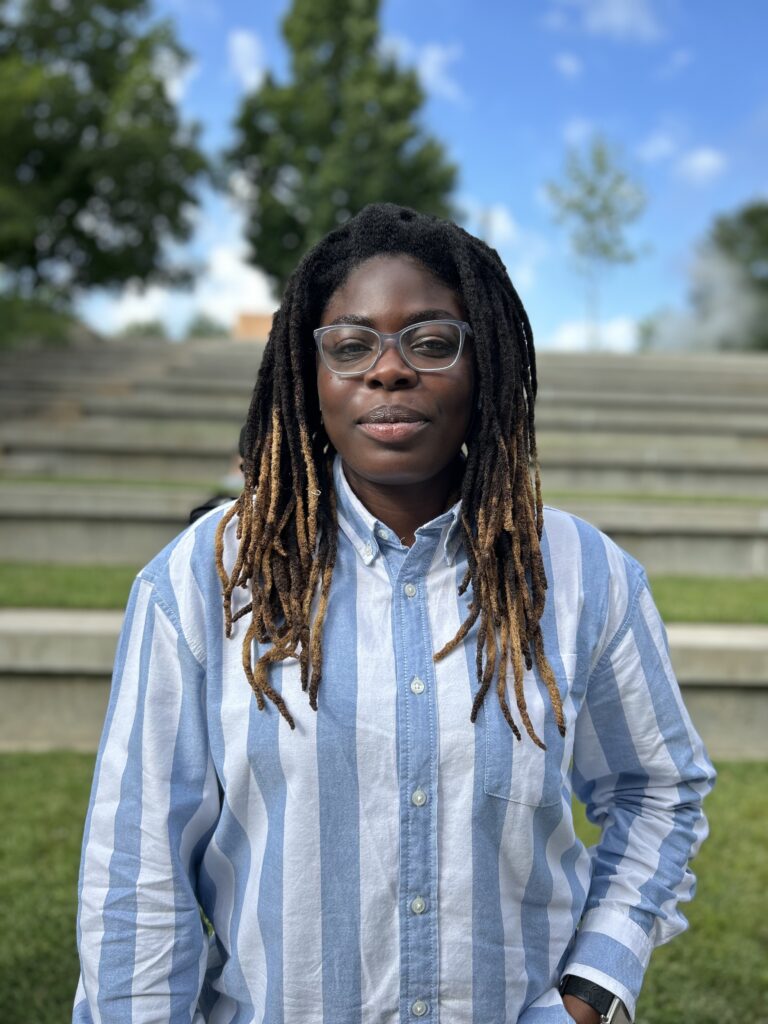
Chiagoziem Jideofor is Queer and Igbo. Her work has appeared in Poetry, Michigan Quarterly Review, South Carolina Review, berlin lit, Quarterly West, The Lincoln Review, Passages North, Commonwealth’s ADDA, the minnesota review, Shō Poetry Journal, MAYDAY, and elsewhere. Her debut collection is forthcoming from Host Publications.
Two poems by Cortney Lamar Charleston
“It’s Important I Remember That Even Beyoncé Got Cheated On—” and “It’s Important I Remember That Being Alone and Being Lonely Aren’t the Same Thing—”
from It’s Important I Remember That Even Beyoncé Got Cheated On—
a woman who has everything, thus having everything
to lose, so much she couldn’t stomach walking away from.
About this Poem: Despite its seeding in popular culture, this poem is part of a larger project concerned with the ascent of fascism and, resultingly, how rips in our relationships limit our ability to respond to it. I couldn’t approach the subject without turning the lens on myself at times, as I did in this poem.
from It’s Important I Remember That Being Alone and Being Lonely Aren’t the Same Thing—
a distinction I know well from unwellness.
And, also, that the only thing lowlier than me
in measure of loneliness is an empty chair—

I linger on the image when President Biden,
again, alludes to the multitudes missing
from their kitchen tables in his public address.
“It’s Important I Remember That Even Beyoncé Got Cheated On—” and “It’s Important I Remember That Being Alone and Being Lonely Aren’t the Same Thing—” appeared in Shō No. 5.
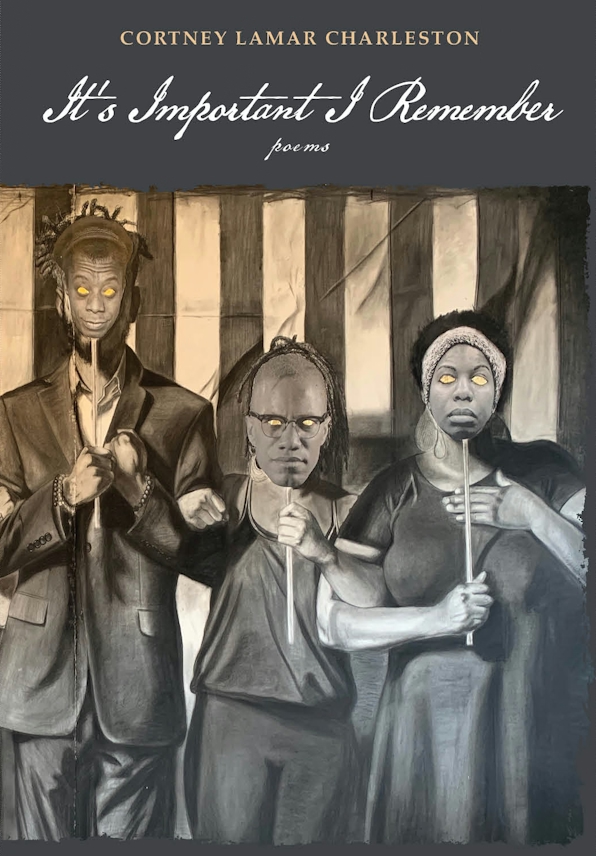
These poems appear in “It’s Important I Remember: “’History doesn’t repeat, it rhymes.’ In his sweeping third collection, Charleston brings a poet’s ear for echo and rhythm to bear on American history and life after 2016. For Charleston, these rhymes cut two ways: the long tradition of American racism and fascism, and the steady pulse of Black persistence. The collection’s titular invocation frames each poem, at times an oratory to rally a crowd, in other moments a private prayer whispered as the speaker gathers himself to face another day. Charleston insists that should we cede memory of our national biography—whether to repression or indifference—we will witness the country’s dissolution into something unrecognizable to many, yet all too familiar to its most marginalized people. But with each reiteration and riff, he also invokes a tenuous hope—that if we summon an American history of Black resistance, we might still make a more perfect union.”
“It’s Important I Remember” was released on February 15, 2026 and is available from Curbstone Books and all major booksellers.
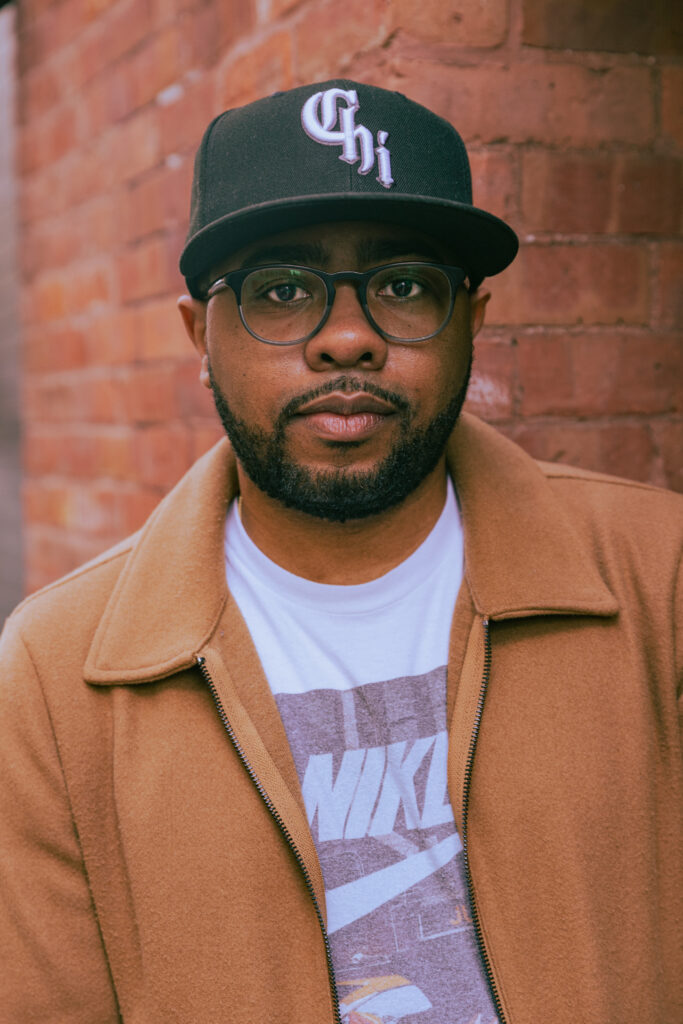
Cortney Lamar Charleston is the author of three full-length poetry collections: Telepathologies (Saturnalia Books, 2017), selected by D.A. Powell for the 2016 Saturnalia Books Poetry Prize; Doppelgangbanger (Haymarket Books, 2021), named a best book of 2021 by the New York Public Library and The Boston Globe; and It’s Important I Remember (Curbstone Books/Northwestern University Press). He was awarded a 2017 Ruth Lilly and Dorothy Sargent Rosenberg Fellowship from the Poetry Foundation, and he has also received fellowships from Cave Canem and the New Jersey State Council on the Arts. Winner of a Pushcart Prize, his poems have appeared in POETRY, The Nation, The Atlantic, The American Poetry Review, The Kenyon Review and elsewhere.