For LGBTQ+ Pride Month, we’ve curated this playlist of poems recently published in Shō Poetry Journal Issues No. 6, 7, and No. 8, featuring Aldo Ampáran, Chen Chen, Reuben Gelley-Newman, Iain Grinbergs, Brett Hanley, Saúl Hernández, Sara Hovda, Rebecca Morton, Ernest Ohia, James O’Leary, william o’neal ii, Jessica Nirvana Ram, Remi Recchia, Will Summay, and Joey Wańczyk.
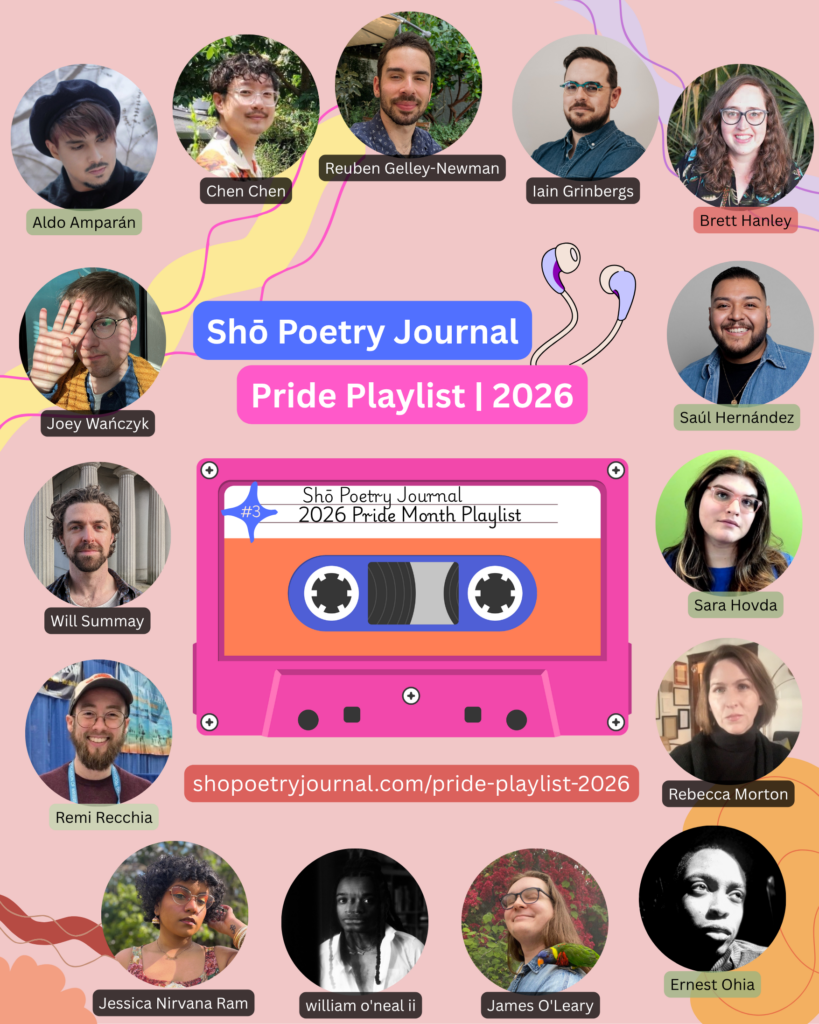
Table of Contents[Hide][Show]
- “Good Luck, Babe” by Jessica Nirvana Ram
- “Abecedarian for My Undocumented Amá’s Tongue in TX” by Saúl Hernández
- “Amalfi, Italy” by william o’neal ii
- “Magdeburg Unicorn Sonnet” by Will Summay
- “Wakulla” by Iain Grinbergs
- “In the Dark, the Arms Look Like Crosses” by James O’Leary
- “Pirates” by Joey Wańczyk
- Two Poems by Reuben Gelley Newman
- “Symptoms of Ghosts” by Aldo Amparán
- “somehow” by Ernest Ohia
- Two Poems by Rebecca Morton
- “ABECEDARIAN While Traveling for My Sex Change” by Remi Recchia
- “One Goal” by Sara Hovda
- “Paroxysmal Supraventricular Tachycardia” by Brett Hanley
- “That Time You Were Giggling, Giggling, Giggling” by Chen Chen
- PREVIOUS FEATURES
- RELATED WORK
- Two Poems by Jessica Q. Stark
“Good Luck, Babe” by Jessica Nirvana Ram
                                     My birth chart is split
fifty percent masculine, fifty percent feminine–I am a coin,
heads I do what is expected of me, tails I flip everything on
its head. No man has ever been able to hold all of me, what

of a woman?
About this Poem: I wrote this poem the night after I read Faylita Hicks’ newest collection A Map of My Want. A few months prior I’d finished writing a manuscript grappling with feeling as though I needed permission to fully live in my queer identity because of who I inherited my love languages from, and to whom I owed happiness. Hicks’ poems gave me some of that permission to imagine outloud, to exist in the muddled complexities, in the multitudes. I guess I’d been thinking a lot about the biphobia in the queer community and wanted to write into that as well.
“Good Luck, Babe” appeared in Shō No. 8
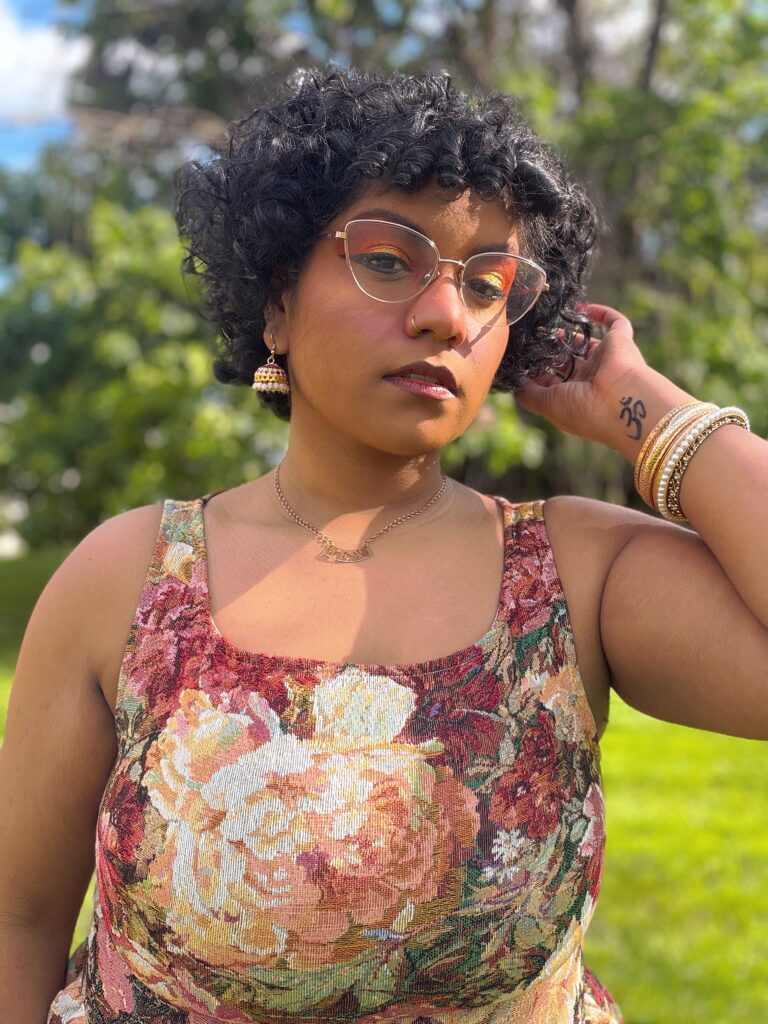
Jessica Nirvana Ram (she/they) is a poet and educator. They are the author of Earthly Gods (Game Over Books 2024) and in the aftermath (Fifth Wheel Press 2025). Her work has appeared in Poet Lore, Prairie Schooner, Cream City Review, amongst others. They have received support from Sundress Academy of the Arts and The Stadler Center for Poetry and Literary Arts. She lives, writes, and teaches in Lewisburg, Pennsylvania. Read more on her website.
“Abecedarian for My Undocumented Amá’s Tongue in TX” by Saúl Hernández
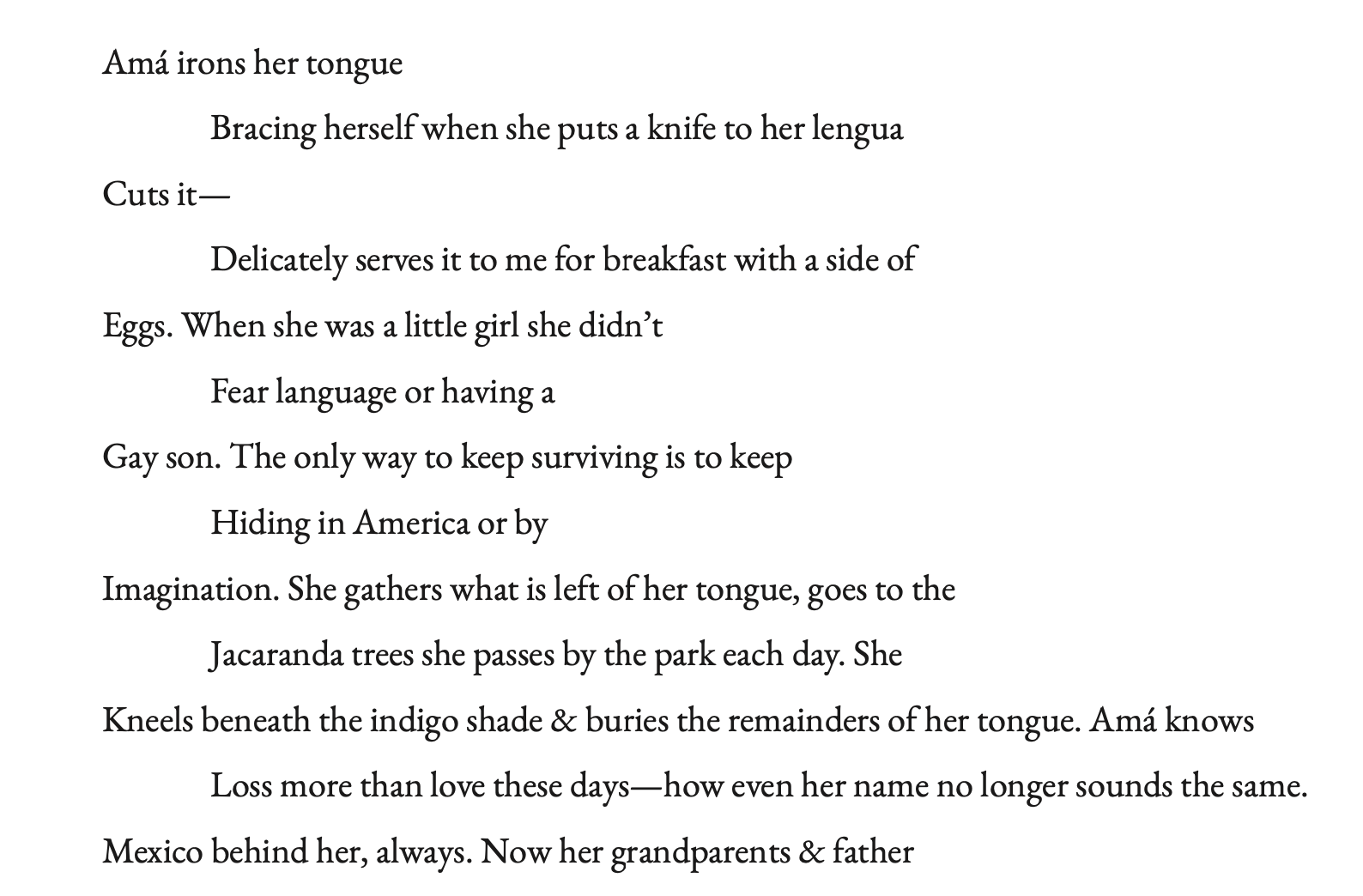
Read the poem full on Poetry Daily.
“Abecedarian for My Undocumented Amá’s Tongue in TX” appeared in Shō No. 7
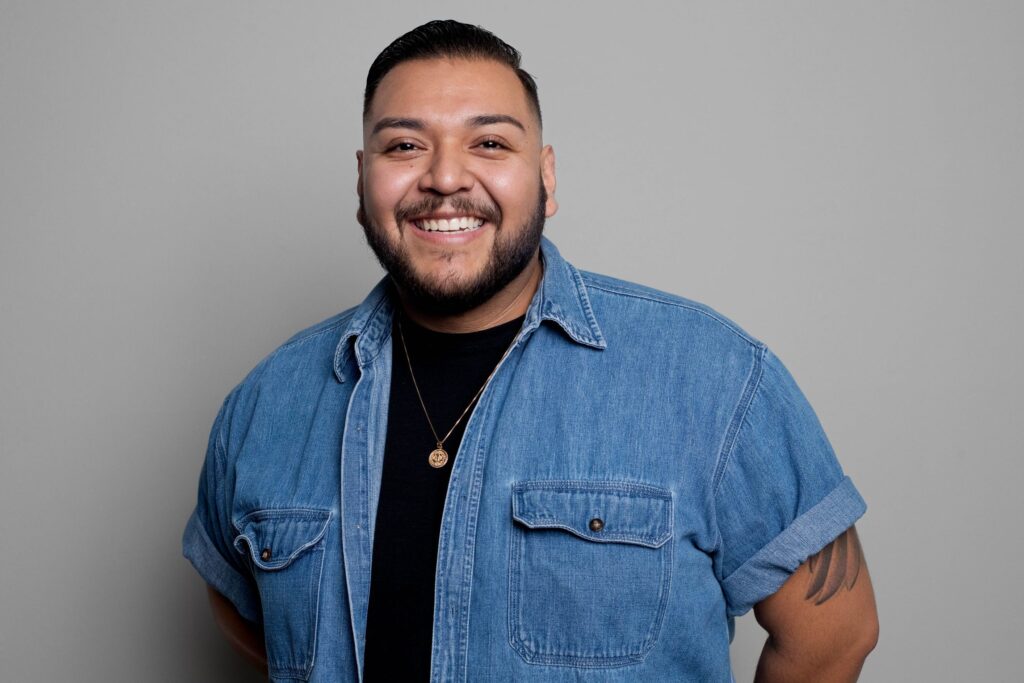
Saúl Hernández is a queer writer from San Antonio, TX who was raised by former undocumented parents. Saúl has an MFA in Creative Writing from The University of Texas at El Paso. Saúl’s debut poetry collection, How to Kill a Goat & Other Monsters, is a Lambda Literary winner, a Writers’ League of Texas Discovery Winner, and longlisted for a PEN Open Book Award.
“Amalfi, Italy” by william o’neal ii
What is the circumference of Moby Dick’s
blowhole? Often times histories are kept
in the absence of information.
About this Poem: I lie in so many of my poems in aims of finding a truth—not everyone understands this. I wrote this poem far away from Italy in my brownstone apartment in Bedstuy. I woke up one morning to the light casting a shadow of my arm on the white-cream wall. Then, the first line came, “I roll over & my shadow grows / large against the nineteenth century / wall.” I started to think about hieroglyphics & history. I’ve never had a lover in Amalfi, Italy. The lover in this poem is imagined. The only time I traveled to Amalfi was a few years ago with old friends—we drank limoncello, smelled the sea & spent way too much money that summer.
“Amalfi, Italy” appeared in Shō No. 8
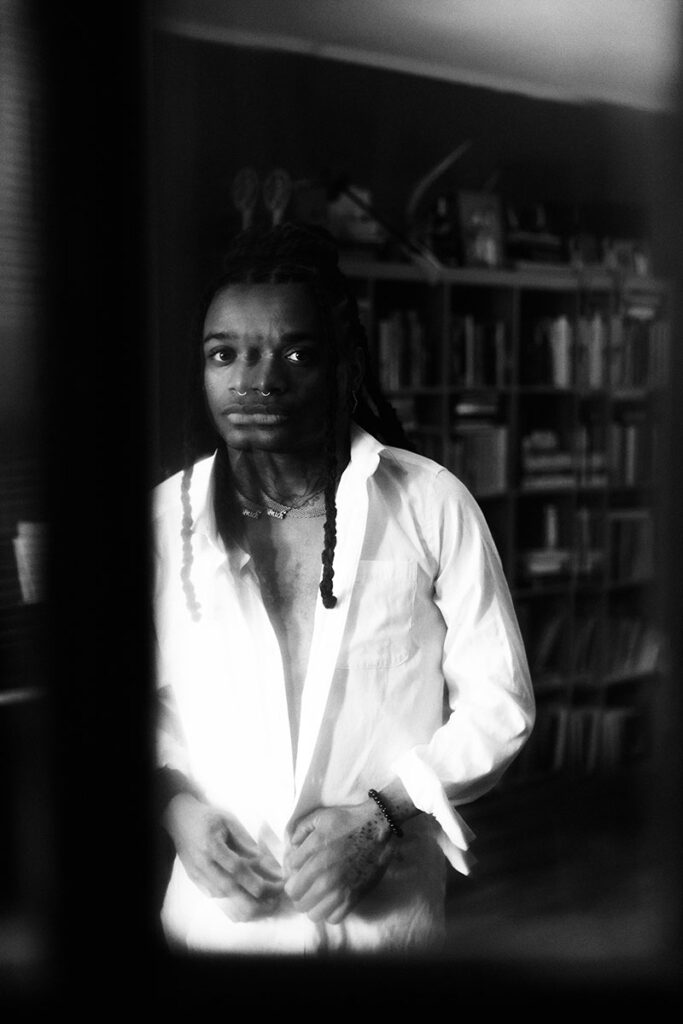
william o’neal ii is a writer from the American South, living & working in both New York & Iowa City. Their work has been published in ONLY POEMS, Rampage Party Press, The Journal, The WB Yeats Society of
NY, & HouseHouse Magazine, among others. They also work as a playwright, having premiered plays in both New York City & Los Angeles. william is currently a poetry research fellow at the Iowa Writers’ Workshop.
“Magdeburg Unicorn Sonnet” by Will Summay
Matt locks the door & says we are watching Almodóvar tonight.
His shoulder is in the progressive tense: urging, rising, resting
my head on its bony peak, Penelope Cruz cosplaying the Lord’s work
on the TV, my head bobbing against his breathing like a buoy.
About this Poem: Constructed by Otto von Guericke in the 17th-century, the Magdeburg Unicorn is an absurd amalgamation of bones set into the shape of an entirely non-existent creature. Much like this unicorn, this sonnet is a limited form that also contains disparate themes of time, cinema, grammar, and love to highlight what possibilities unfold when placing anything in relationship to one another, as well as how the process of becoming in any form is fundamentally unpredictable. My friend Matt introduced me to the films of Pedro Almodovar (“All About My Mother”) during a very difficult period of my own life, and I was struck by Pedro’s unique and complex queer storytelling which gave permission for anyone and everything to enter the picture, so to speak, and see what kind of story is possible. This poem intends to draw attention to both the excitations of possibility, as well as the wildness of simply existing as a being that can even embody and express possibility at all.
“Magdeburg Unicorn Sonnet” appeared in Shō No. 8
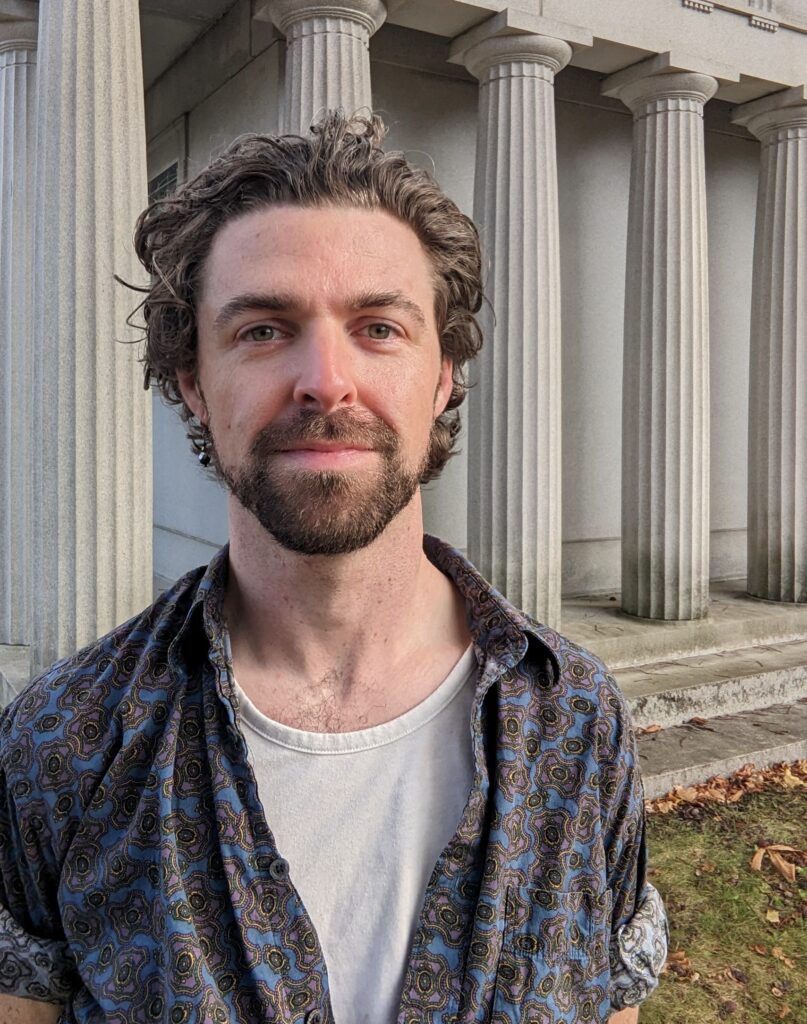
Will Summay (he/him) is a poet and psychotherapist based in Louisville, Kentucky. He is the recipient of the 2025 Page Clayton Prize for Emerging Poets from Michigan Quarterly Review and a co-facilitator of Golden Hours Workshop, a monthly writing group in Louisville. He has been previously published in Shō Poetry Journal, South Carolina Review, Michigan Quarterly Review, Foglifter Press, Palette Poetry, & Change, among others.
“Wakulla” by Iain Grinbergs
We colored the riverbank, Pabst cans
and Yuengling bottles clattering and clinking
in plastic Piggly Wiggly bags, the dock
our tabernacle, bare feet slipping over
wet stones, leaping into the river’s murk,
not caring for that one thick black snake
in the live oak overhead, all around
a sour-sweet smell, something peppery
amid the resin.
About this Poem: I have a love-hate relationship with north Florida, a place that shaped me most (even more than England, my homeland). In my later teenage years there, I found a small circle of friends, and that’s where the love part comes in. They helped me realize that being non-heteronormative is perfectly okay, despite what the dominant culture still demands. I also discovered, through the Beats, Buddhism there. A Zen monastery was even built near my home; the priest helped me with my social anxiety at the time and intensified my ecological interests. In short, we can’t flourish without others. The poem grew out of this.
“Wakulla” appeared in Shō No. 8
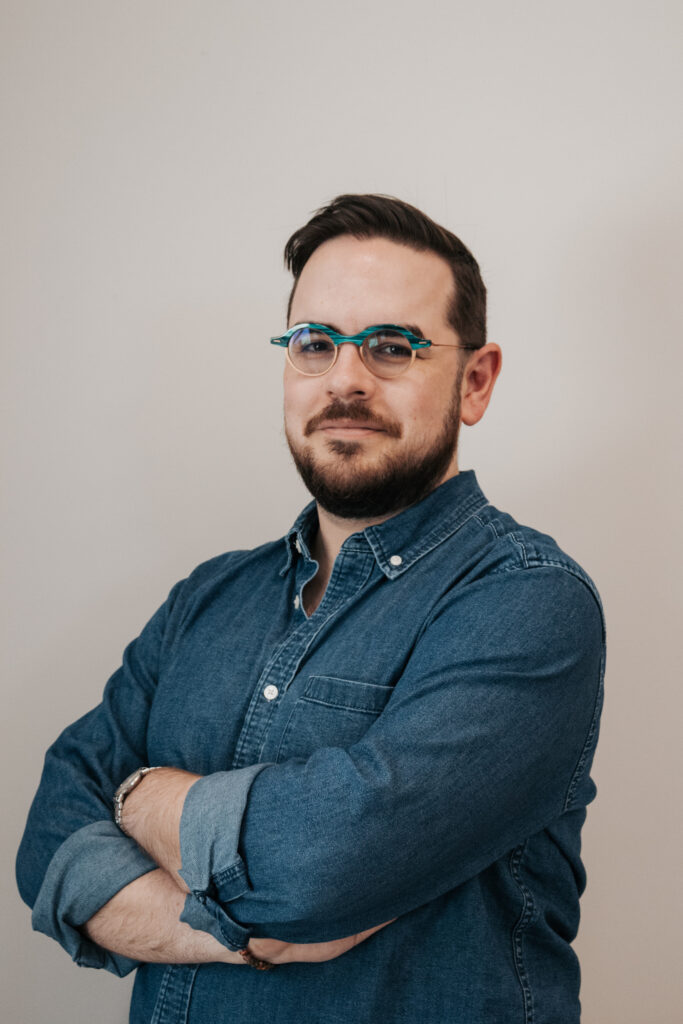
Iain Grinbergs (he/they) is an English professor and the author of Vanity Twist, a chapbook (Bottlecap Press). He earned his Ph.D. in English from Florida State University. His work appears in or is forthcoming from South Florida Poetry Journal, Meridian, Rogue Agent, and other journals.
Photo Credit: Cynthia Brown
“In the Dark, the Arms Look Like Crosses” by James O’Leary
       All night long they sling the fireman’s axes in sideways
arcs to chop the saguaro down, the two boys
       who’d dared each other to do it.
About this Poem: Saguaro cacti can live to be 200 years old. I was surprised to learn that cacti are in the top 5 most endangered types of living things (orders or families—a biologist would know). In Arizona, my home state, it is illegal to cut down a saguaro without a special permit. In writing this poem, I was thinking about being closeted, and the intersections of ecological devastation, toxic masculinity/homophobia, and shame; and about the special sadness felt when a buried memory resurfaces.
“In the Dark, the Arms Look Like Crosses” appeared in Shō No. 8
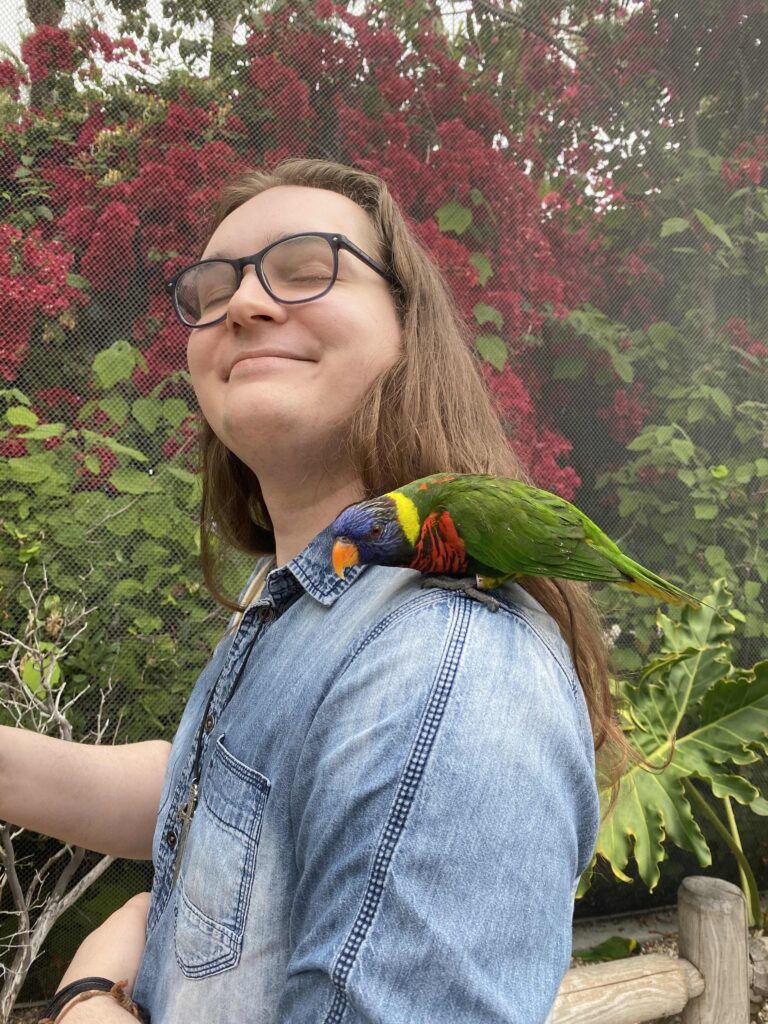
James O’Leary is a writer and educator from Arizona. Their work has been nominated for the Best New Poets, Best of the Net, & Pushcart Prize anthologies, & has appeared in such journals as Booth, Foglifter, Gulf Coast, The Kenyon Review, Poet Lore,& more. James holds an MFA from Sarah Lawrence College, is a graduate of the Tin House Summer Workshop, & serves as Assistant Poetry Editor for ANMLY. For a time, James tried the name Willow James Claire.
“Pirates” by Joey Wańczyk
He only had dial-up at home. Lived with
his grandmother. Seemed she was old enough
to know what we were.
About this Poem: Fun fact: I am almost always writing toward music in some fashion. Though it didn’t really inform the poem itself, I got the idea for the title from the song “Pirates (So Long Lonely Avenue)” by Rickie Lee Jones.
“Pirates” appeared in Shō No. 8
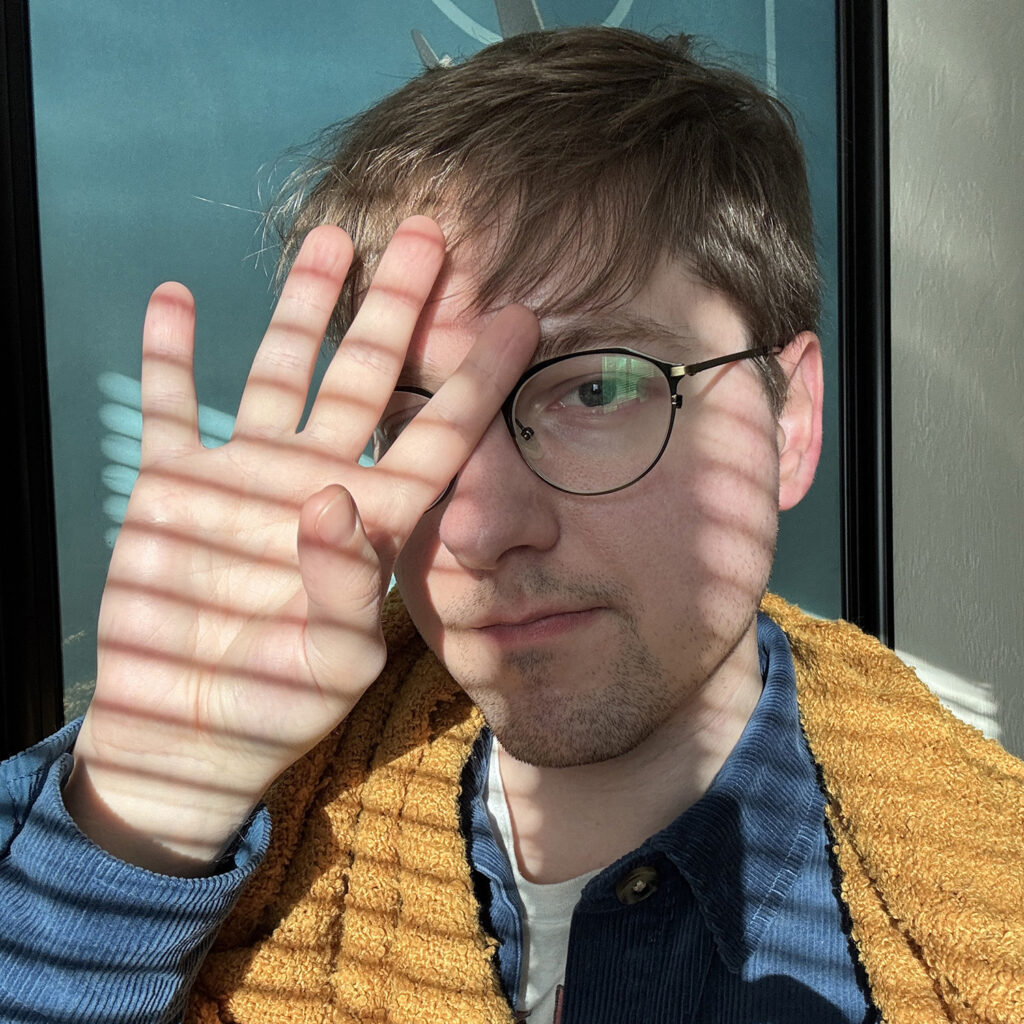
Joey Wańczyk is a poet from Indianapolis, Indiana. A recent M.F.A. graduate from the University of Oregon, he currently lives in Eugene, Oregon. He is the founder of Waltz, a new journal of poetry. His writing has appeared in Meridian, Shō Poetry Journal, & Change, and Pacifica Literary Review, among others.
Two Poems by Reuben Gelley Newman
from Fear Fear
        His desire, sometimes, declares itself so,
in the high Baroque of a poem or the arch

of his ass against a man’s impudent tongue.
The hole wants to be rimmed, he wants the rhythm

of the tongue against his hole, he fears, after,
how he could lose his whole self in a tongue,

or a language, or a man’s words—
from Self-Portrait as the Cowboy in a Mitski Song
            & why I’m comparing

myself to a cowboy, aching to bridle the tenor
of metaphor, song, & poem, galloping off
on an eighth-note groove, leaping into the do-
mi-ti of my soul, the shatter me, the geyser me,
the Brokeback Mountain me, call it

nostalgia, or call it fantasy, or call it
obsess, nonsense, song-sense, song-flesh,
song-gone, song-run, undone, honey-spun, body-none—
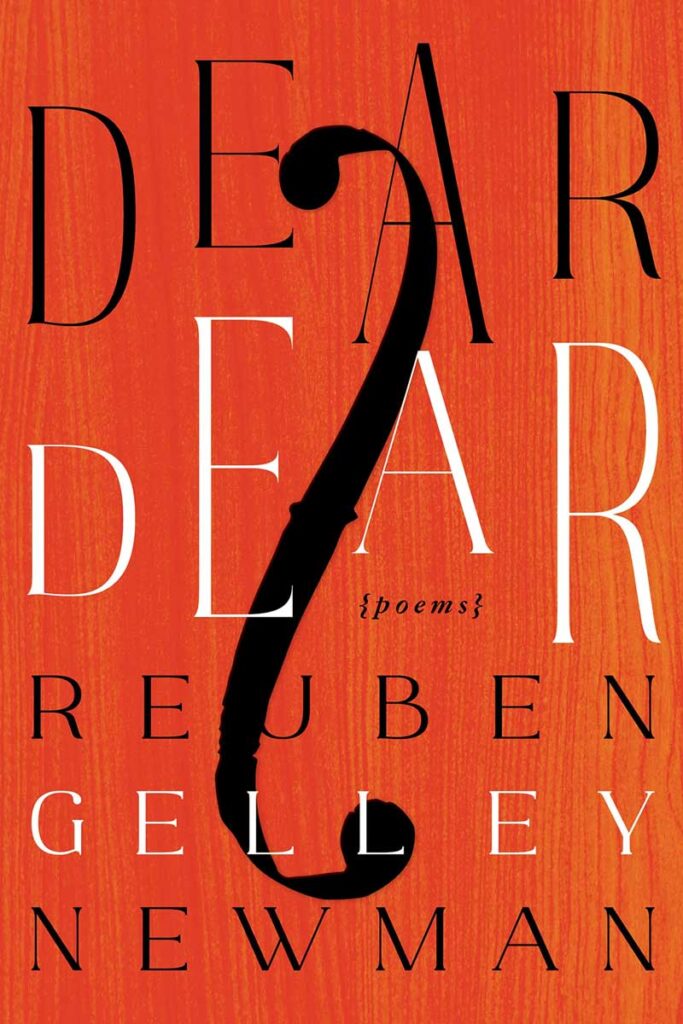
These poems appear in Dear Dear, Winner of the 2025 Louise Bogan Award, selected by Randall Mann. (Trio House Press, July 2026).
Reuben Gelley Newman’s Dear Dear renders queer love through the lens of music, art, nature, and politics. Drawing on artists from Bach to Mitski, Gelley Newman flirts with nostalgia but refuses to dwell in the past, asking how remembering our ancestors can reinvigorate our present struggles. In these poems, sound becomes the language of desire and self-expression: “I want to do better / I want to be the husband of the song.” Combining playful sonnets and earnest narratives, Dear Dear searches for belonging in our grief-stricken world.
“Fear Fear” and “Self-Portrait as the Cowboy in a Mistki Song” appeared in Shō No. 8
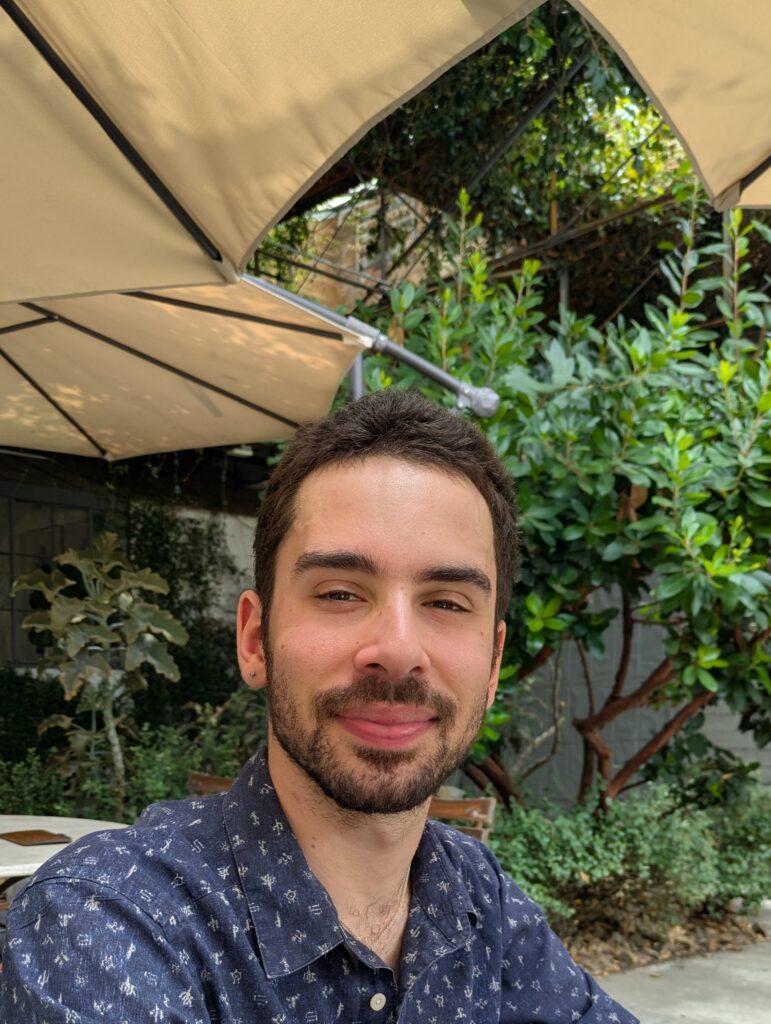
Reuben Gelley Newman (he/they) is a writer, musician, and librarian who circulates in New York City and its environs. He is the author of Dear Dear, selected by Randall Mann for the Louise Bogan Award (Trio House Press, July 2026). They also wrote a chapbook, Feedback Harmonies (Seven Kitchens Press, 2024), in homage to Russell. His poems appear in Denver Quarterly, Fairy Tale Review, Ninth Letter, Only Poems, Salamander, and Fence. Find them on Instagram/Twitter @joustingsnail and on Bluesky @joustingsnail.bsky.social. He’s also trying, and largely failing, to fiddle more with his Substack: “To fling out broad its name: Poetry, Sound, Libraries.”
“Symptoms of Ghosts” by Aldo Amparán
“The main reason behind the gay orientation of some
men is that they are possessed by female ghosts.”
— Spiritual Science Research Foundation

A murmur
	in my right wrist
		tells me there’s something wrong

	with the light, & the sound
of a finger snap
	wakes my lover

		every morning
	at 3:46. Sometimes I speak
perfect English & know

	it’s not my own voice.
		Age 12, I kissed
	my first man

in my sleep: the chapped lips
	of a boy
		from my secundaria

	searching inside me
for what? I woke up
	levitating

		over the wet mattress.
	My desire ignited sudden
little fires

	& the little fires so many
		questions. In a church,
	far from home,

I asked a priest
	what was wrong
		with my heart.

	My yellowed heart
a glitter bomb. My heart acid
	wash. My penitence

		a prayer I keep
	unlearning
to become proud

	of this desire.
		I used to write
	my colors in past

tense: I was redded.
	I was blued. I was
		violented. Often

	misspelled
certain truths.
	I was 12

		& kept asking why
	until the world said it:
I lacked a father

	figure. I’d been touched
		inappropriately by a man.
	So, it must be true

what the world now says:
	my desire: not my own,
		but the woman

	singing in my breastbone.
My lover awakens
	to her song. He listens

		to that disem-
	bodied music in my body
& as he leans

	in to taste
		the bitterness of daylight
	in my gums

I’m grateful
	for our ghosts
		replaying their soft

	ballad at the back
 of our throats.
About this poem: A few years ago, I stumbled upon an article in LGBTQ Nation titled “85% of gay people are possessed by ghosts according to ‘spiritual research.’” As a queer person & avid consumer of all things strange & spooky, I was amused by the claim, but it lingered with me in a more introspective way. It reminded me of all the damaging refrains used to explain someone’s queerness, & how some of them were true for me: experiencing childhood trauma, growing up without a father. The poem reflects the unsettling feeling of recognizing yourself in the very narratives meant to erase or pathologize you, but it also holds, within that tension, the quiet, ongoing effort to reclaim the self from all of it.
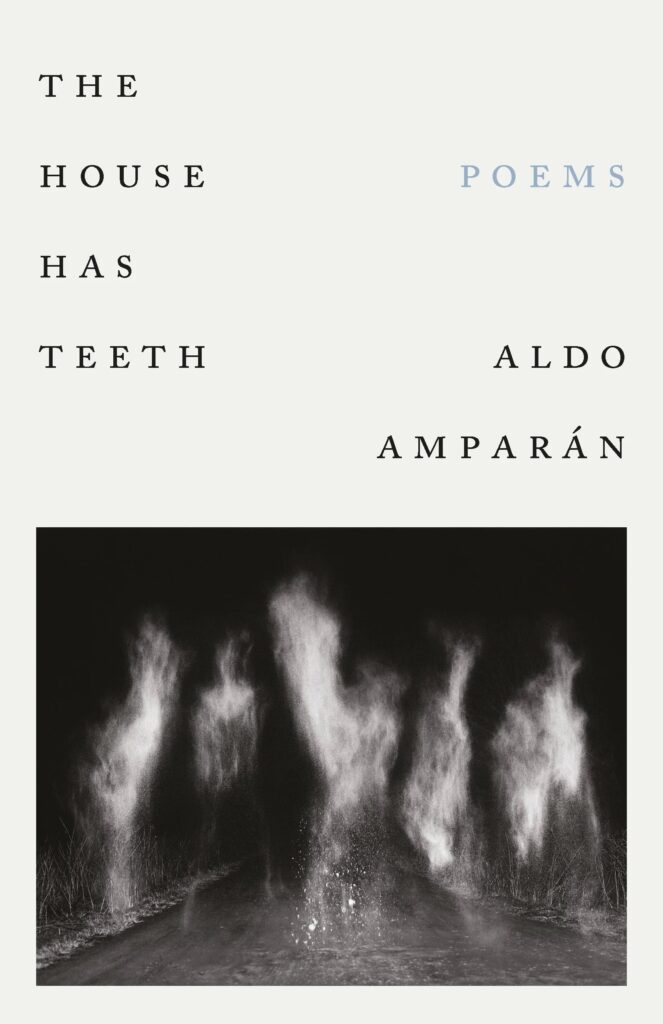
This poem appears in The House Has Teeth, forthcoming from Alice James Books in September 2026. Pre-order your copy here.
“There is something about intimacy and the way it radiates within a word. In The House Has Teeth, Aldo Amparán shows us through lyric and line, screens and ghosts, body and breath. If the walls in these stanzas could talk, we would only hear the quiet force of form and white space. These poems reminded me about my own body and the unique circumstances of being alive: to desire is to break yourself against oceans, to love is to notice the snow outside, to grieve is to fill a ‘room with a river.’”
—Jake Skeets, author of Horses: Poems
“Symptoms of Ghosts” was chosen as the runner-up of the Shō Poetry Prize for Shō No. 7

Aldo Amparán is the author of Brother Sleep, winner of the Alice James Award & finalist for the Lambda Literary Award for Gay Poetry, & The House Has Teeth, forthcoming from Alice James Books. They have received fellowships from the National Endowment for the Arts & CantoMundo. Amparán’s work has appeared in POETRY, Ploughshares, Kenyon Review, The Georgia Review, New England Review, AGNI, the Academy of American Poets’ Poem-a-Day, & elsewhere.
“somehow” by Ernest Ohia
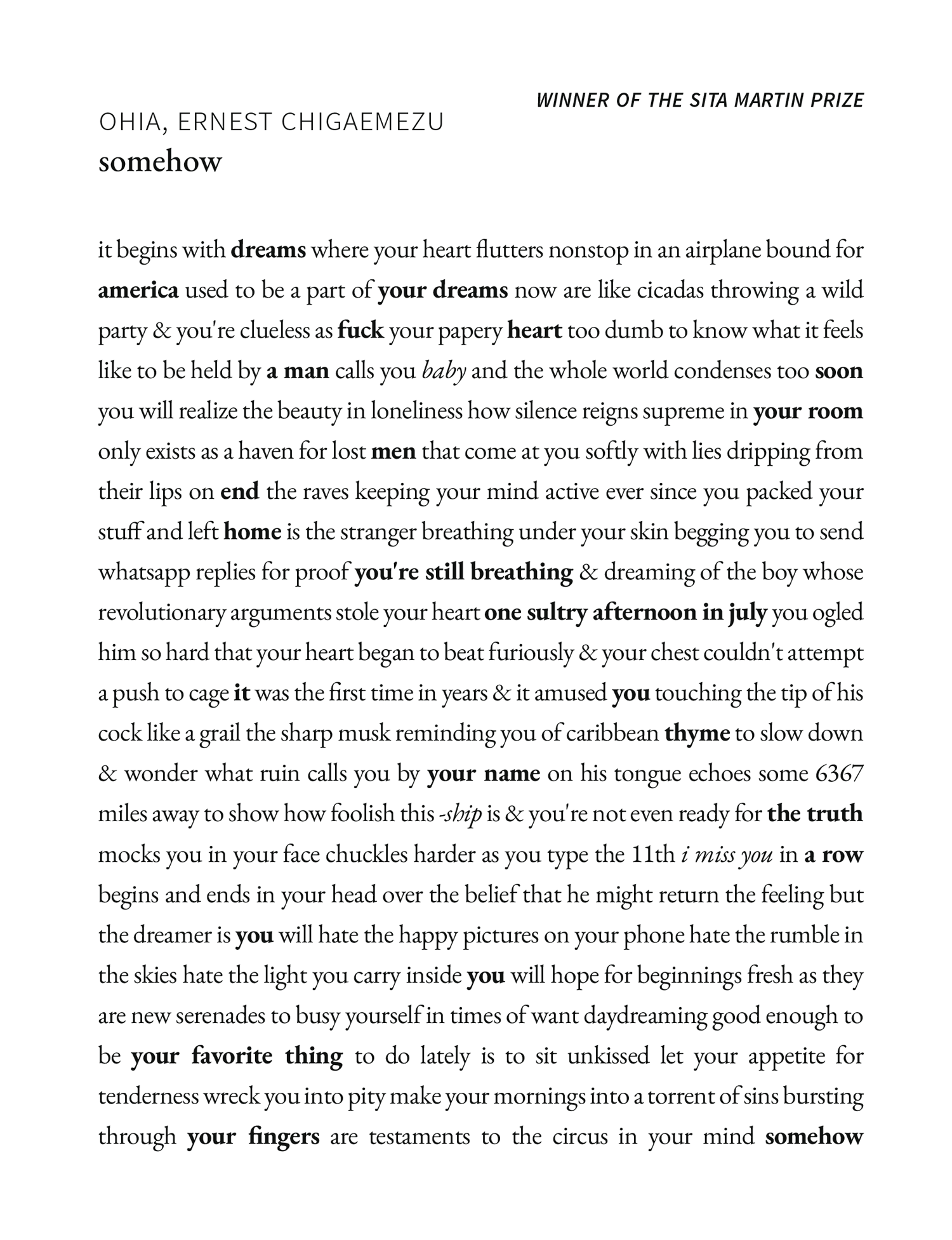
About this poem: This poem was my first real reckoning with the fact that I was leaving my country for another. At the time, I didn’t yet understand the weight of that truth. In the morning, I carried on with my life as if nothing mattered. But, at night, I would bawl my eyes out at the thought of everything I had left behind. So, writing this poem felt necessary; I didn’t want that feeling of letting go to slip away.
This poem was selected as the winner of the Sita Martin Prize for Shō No. 7.
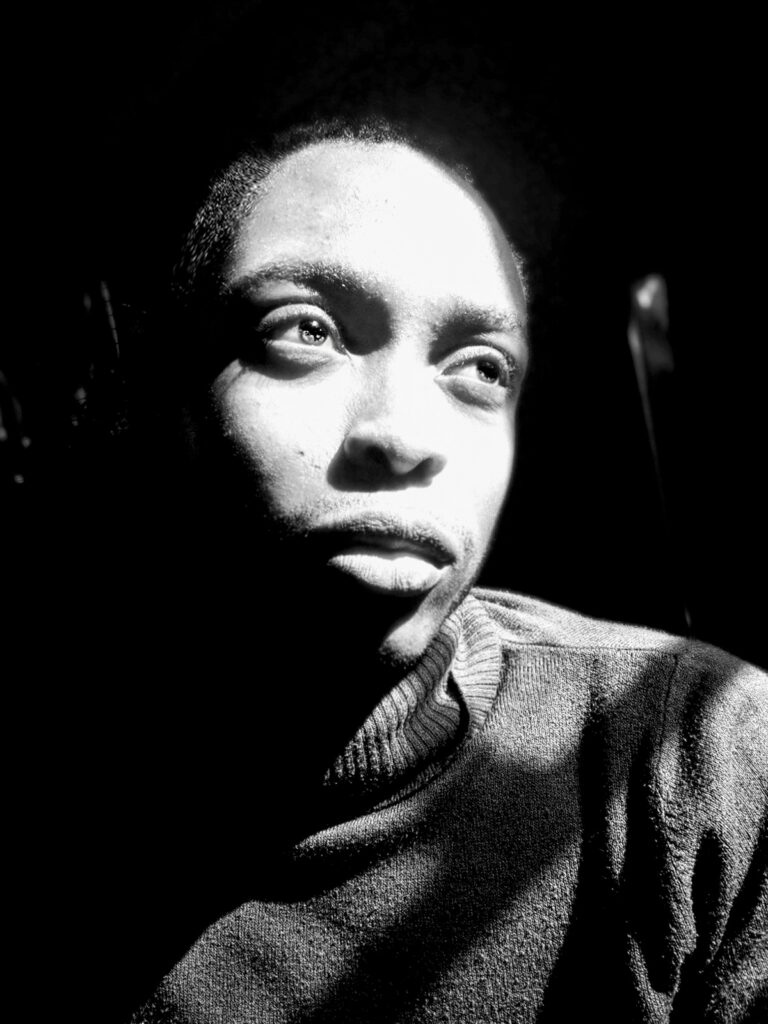
Ohia, Ernest Chigaemezu is a queer Nigerian poet and editor, currently pursuing an MFA in poetry at the University of Alabama, where he also serves as Design Editor for Black Warrior Review. His work has appeared or is forthcoming in Lolwe, The Muse, 20:35 Africa, Agbowo, Rigorous, and elsewhere. His chapbook manuscript, The Wanting Flesh, was a finalist for the 2025 Garden Party Collective Chapbook Contest.
Two Poems by Rebecca Morton

Three “Uncertainty Principle” poems by Rebecca Morton were selected as the runner-up of the Shō Poetry Prize for Shō No. 8.
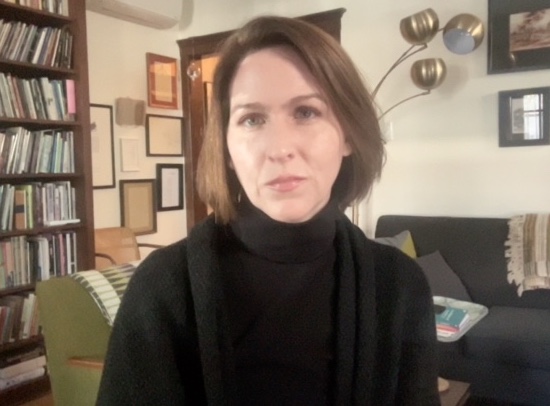
Rebecca Morton is a queer poet based in Chicago. Her debut chapbook Afterbirth (Small Harbor Press, 2024) explores her family’s involvement in the foster care system. Her poems appear in Smartish Pace, The Offing, Sugar House Review, Cream City Review, RHINO, TriQuarterly, Poetry Northwest, and elsewhere, and have been featured on Verse Daily. A recent Tin House Summer Workshop participant, she holds an MFA from Eastern Washington University.
“ABECEDARIAN While Traveling for My Sex Change” by Remi Recchia
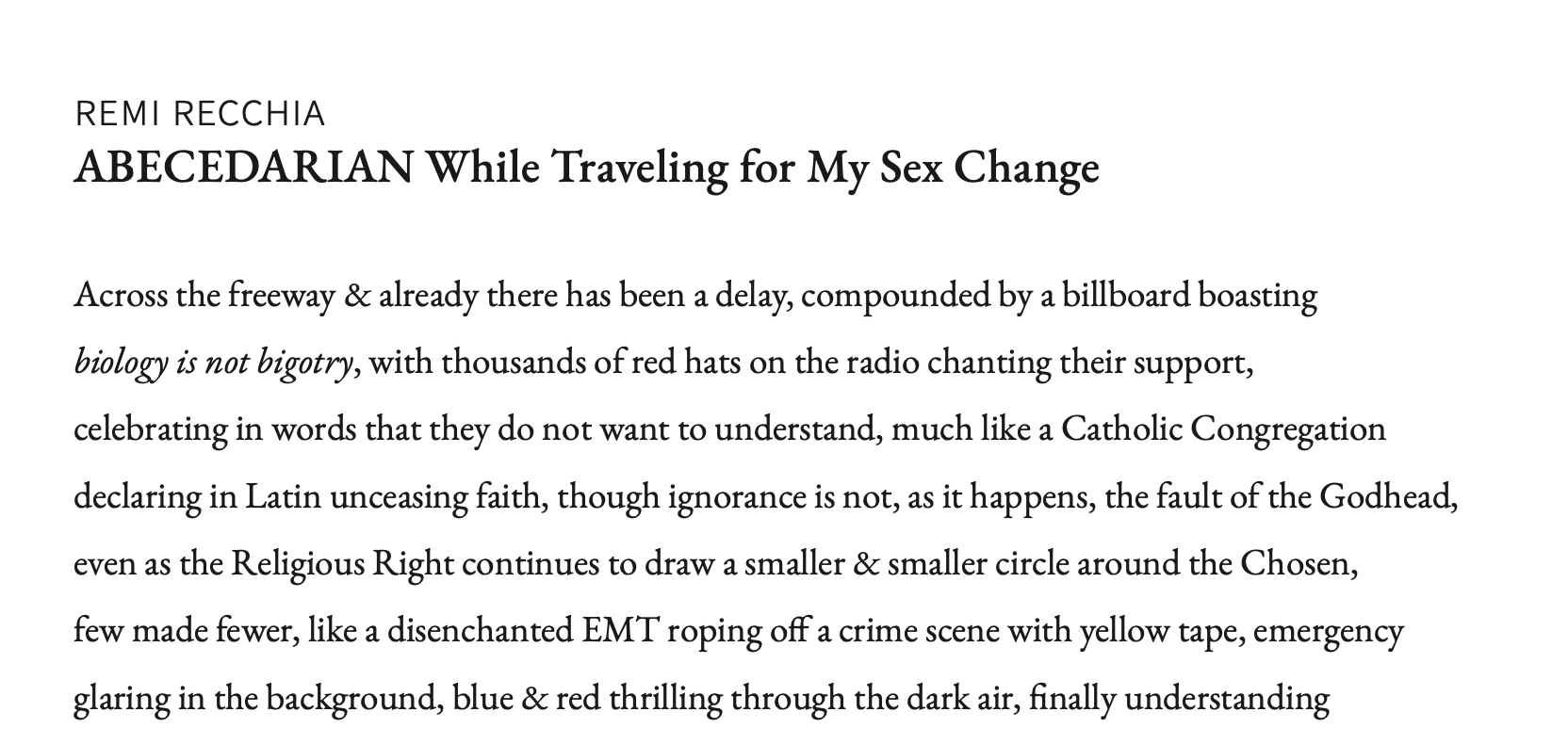
About this Poem: I wrote this poem the night after traveling out of state to access gender-affirming healthcare (GAC). The irony of having traveled across the country for healthcare at a facility known for inclusion but then turning on the TV in my room at that facility to a Fox News host saying “biology isn’t bigotry” was not lost on me. I was sitting in the hospital cafeteria at the University of Michigan and thought it would be an interesting challenge to write an ABECEDARIAN that was all one sentence. (Incidentally, the phrase “sex change,” is, of course, partially in jest, because there’s not one specific operation or procedure that can lay claim to treating gender dysphoria, but it is relevant to the contents of my poem.)
This poem is special to me because in a serendipitous turn of events, when my mom, who was going to be my post-op caretaker, couldn’t come at the last minute (my family suddenly caught Norovirus), I called one of my oldest childhood friends, who lives a few hours away from the University of Michigan, who is also trans. That friend happened to be taking their partner to a gender-affirming surgery consult at the same hospital at that exact moment and agreed to stay with me while I was recovering from surgery. My favorite phrase from that time, “tummy checks”—we had to make sure I wasn’t constipated—has remained with me fondly.
In yet another miraculous set of circumstances, the chaplain who visited me after the surgery was trans. What my poem doesn’t share—or at least not explicitly—is that I am a deeply religious person. (In fact, I’m currently in seminary!) The experience of being prayed over by another trans person after having gone through GAC was an incredible spiritual gift that I’d never before received. The chaplain called GAC an act of “co-creation.” Co-creation is a decision I make each day as both a trans man and a future priest.
“ABECEDARIAN While Traveling for My Sex Change” appeared in Shō No. 7
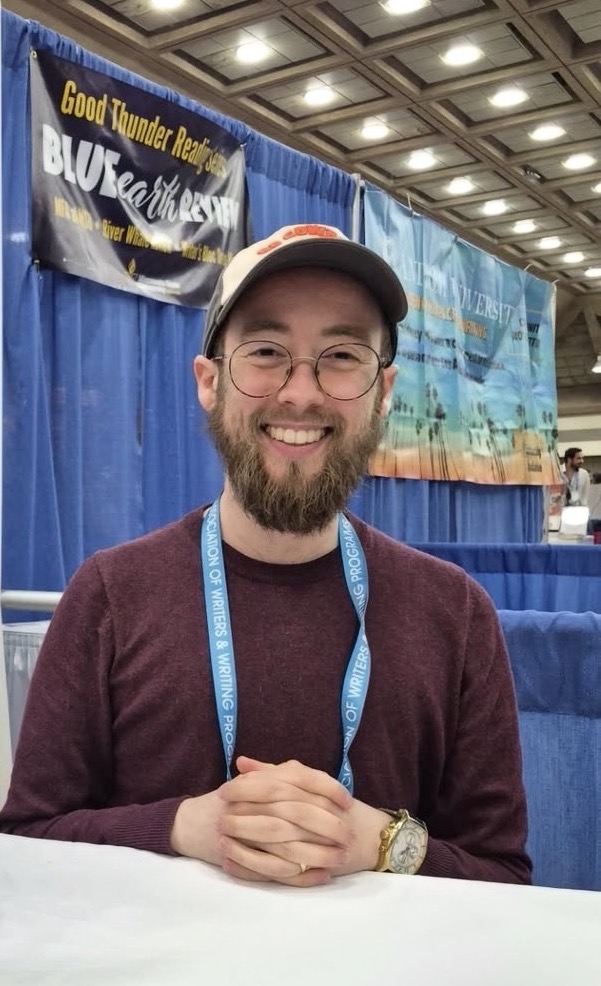
Remi Recchia is a Lambda Award-winning poet, essayist, and editor from Kalamazoo, Michigan. A nine-time Pushcart Prize nominee, his work has appeared in World Literature Today, Best New Poets 2021, and Best of the Net 2025, among others. He is the author of two collections of poetry, most recently Addiction Apocalypse (Texas Review Press, 2026), four poetry chapbooks, and the editor of two contemporary poetry anthologies. Remi has received support from institutions such as Tin House, PEN America, and the Orion Environmental Writers’ Workshop. He holds an MFA in poetry and a PhD in English. Remi is currently pursuing an M.Div. at Yale University, where he serves as the poetry editor for LETTERS and lives with his wife and child. He also serves as Senior Book Editor at Gasher Press.
“One Goal” by Sara Hovda
Death renders everything useless
on a larger scale—it doesn’t matter

in ten-thousand years what gender I was
when I put on oblivion’s black jacket.

But tonight is a shirt I can breathe in.
About this Poem: I often write poems to one person in particular. In this case, I went to the Festival of Lights in Riverside, CA, with a friend who also happens to be a transgender woman. Afterwards, I got to thinking about our lives, our pasts and futures, what led to this individual moment, this individual nexus of experience, and how, of course, what matters in a life and universe where we don’t know what happens when we die and nothing is guaranteed, is that we have these moments.
“One Goal”appeared in Shō No. 7
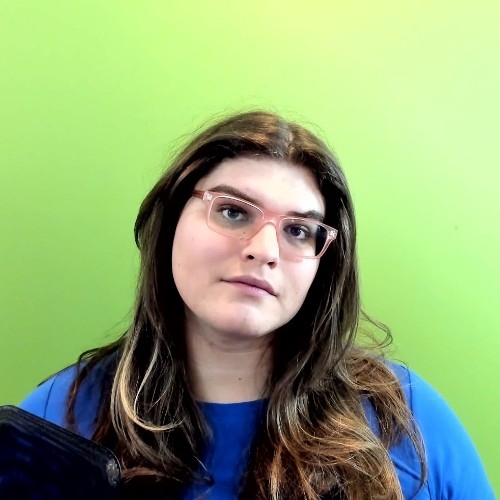
Sara Hovda is a transgender woman from rural Minnesota. She currently attends the MFA program at UC-Riverside while also working as a streamer on Twitch. Her poems have appeared or are forthcoming in magazines such as Passages North, South Dakota Review, and Shō Poetry Journal, among others. She can be found online at SaraHovda.com.
“Paroxysmal Supraventricular Tachycardia” by Brett Hanley
There are eleven men on my porch, uniformed, masked,
an embarrassment of biceps. I don’t watch porn
because I have a vivid imagination. I tell them
I’m fine. My heart got back on its tracks
in the time it took them to arrive. I don’t
need the IV that stops and starts my system
to rewire its circuitry. I can’t afford the bill
to get in the ambulance, which croons
like an overwrought ice cream truck
in the street.
About this Poem: I used to get episodes of PSVT a few years go, and my heart would skyrocket to around 250 beats per minute. I would have to go to the ER for a shot of adenosine that would stop and start my heart to help it get its normal rhythm back. PSVT caused me a lot of anxiety because it could strike at any moment. The occasion for this poem was a PSVT episode that fortunately resolved quickly without medical intervention but not before the emergency professionals arrived. It was during a somewhat lonely era of mine during the pandemic, and it felt like the interaction with the paramedics was my first human contact in a while, which I thought was sort of funny and interesting so I wrote about it.
This poem gave me some trouble, which I love about it. It took me four years to figure out its ending, and it had a lot of endings along the way that just didn’t land the way I wanted them to, tonally. They were too funny or too sad. I needed something just the right amount of wistful, and I finally arrived at the paramedics driving off into their big, gorgeous, unshackled lives without the speaker, which felt like the right note. I’m grateful to this poem and all the poems I sit with for seasons, revising until I get them right. I used to lament that it took me so long to figure out some poems, but the figuring out, the discovery, the living my way to the right image or line, even if it takes years, is one of the really meaningful parts of writing for me.
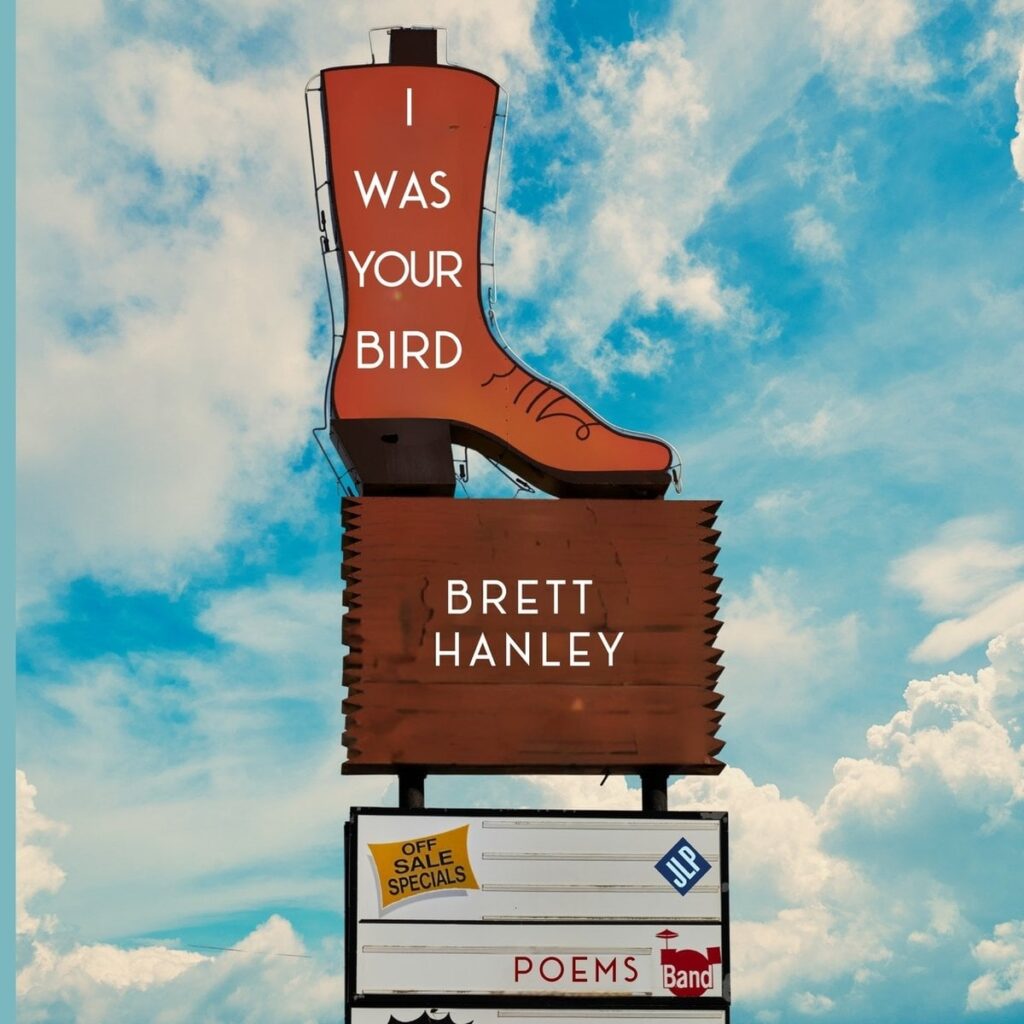
This poem appears in I Was Your Bird (JackLeg Press, July 2026). You can pre-order it here.
“Brett Hanley’s debut collection I Was Your Bird is a smart and beautiful meditation on history–what happened, where things went wrong, what changed. Hanley situates struggles of class, gender, and place in an embodied, curious world. Finding epiphanic wisdom from dinosaurs, a mortician, ancestral poets, and tough childhood memories, Hanley places the reader at the threshold where the past and the deep past meet. A thrill to witness. ”
—K. Iver, author of Short Film Starring My Beloved’s Red Bronco
“Paroxysmal Supraventricular Tachycardia Goal” appeared in Shō No. 6
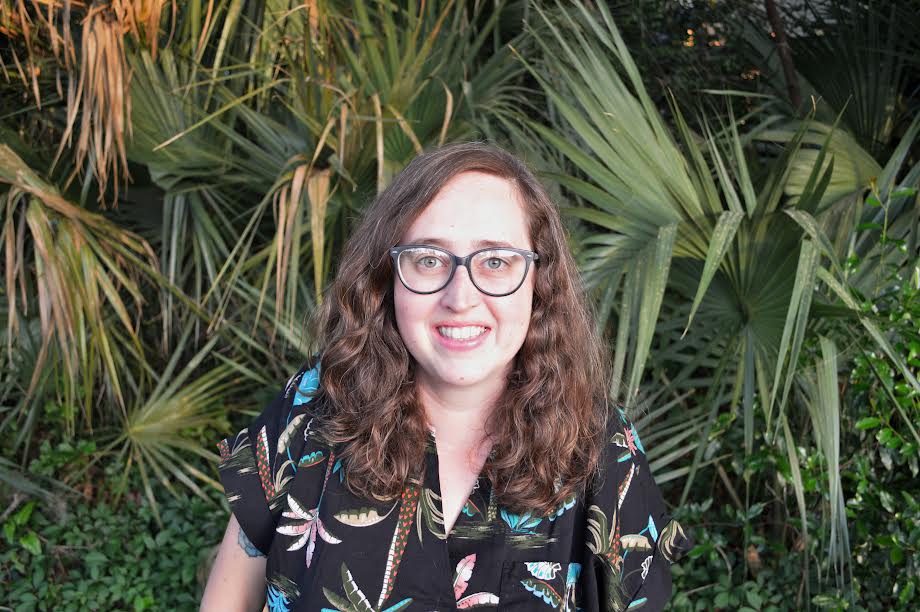
Brett Hanley holds an MFA from McNeese State University and a PhD from Florida State University. She has worked as Poetry Editor at both Southeast Review and The McNeese Review. Their poems are forthcoming or have recently been published in West Branch, Gulf Coast, Ninth Letter, The Journal, Poetry Northwest, Colorado Review, and elsewhere. She was a semi-finalist for the 92Y Discovery Contest, a finalist for the Jake Adam York Prize, and a Bread Loaf-Rona Jaffe Foundation Scholar. You can pre-order Brett’s debut collection, I Was Your Bird, forthcoming in July 2026 from JackLeg Press.
“That Time You Were Giggling, Giggling, Giggling” by Chen Chen
That Time You Were Giggling, Giggling, Giggling

We were in bed & you were
huh? 11 years, & I’d never heard
this. Of course,
         you’d giggled plenty
before, & especially when I tickled your neck
while cuddling in bed, which of course
I just did, given our setting,
the setup, but this was something else, this
was a huge glee gong
gonging strong. & it continued, then passed
                 a certain point of plausible, & they
were so textbook cutie-pie, your giggles,
without any ragged
running out of proverbial steam or literal breath
that I had to ask, Are you doing a bit,
& then, Are you okay, when you just kept giggling,
Wait, are you okay, & you just nodded while giggling on,
on & on my ears were kissed
by the bubbliest song
seemingly about & in the form
of infinity.
         How much more,
I wondered, how much longer, your jolly eternity,
& could I live there, too?
I didn’t want it to end, didn’t want you to stop,
don’t stop, don’t die,
don’t die, don’t die, don’t.
That was the song
I sang in secret.
Though probably you heard some of it
in the way my hand went back
the second the gigglefest seemed to wane, my fingers
had to find again that somehow
new spot on your neck.
About this Poem: I’m drawn to laughter as a subject because it seems (is?) so impossible to write about, to put into language. But it’s the act of grasping for (and maybe never really arriving at) words that moves me and seems the central movement of a poem. I love how alive laughter, real laughter, is. And I love words that are, however inadequate for the subject and in the face of loss, defiantly alive.
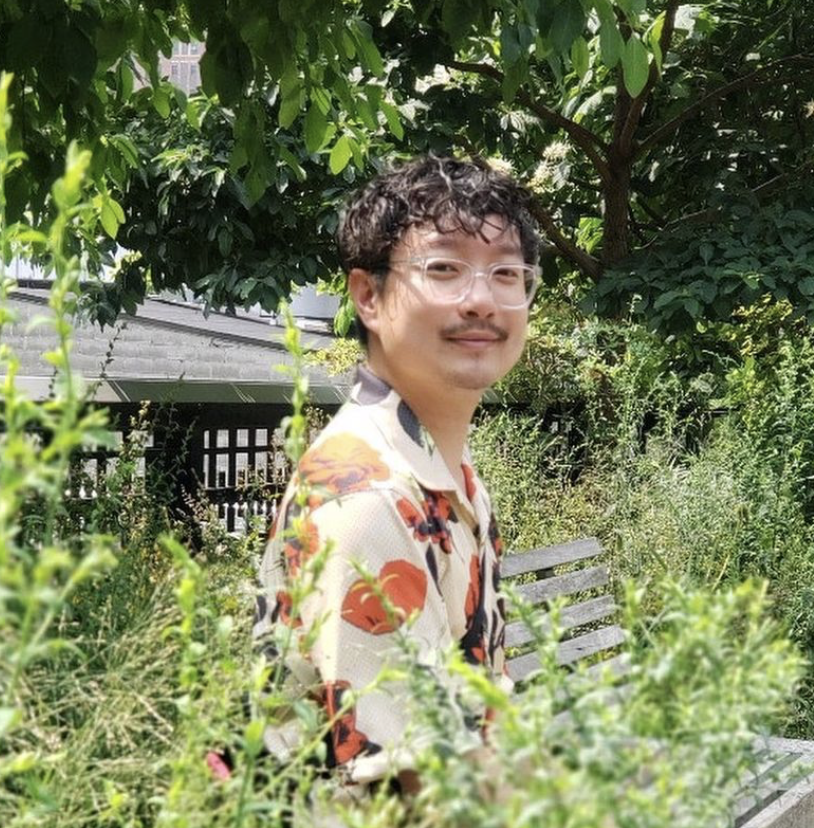
Chen Chen lives in Rochester, New York, and teaches for the MFA program at New England College. He is the author of two books of poetry, Your Emergency Contact Has Experienced an Emergency (2022) and When I Grow Up I Want to Be a List of Further Possibilities (2017), both published by Boa Editions. His latest chapbook is Love That for Us, a collaboration with Sam Herschel Wein (& Change, 2026). His work appears in many publications, including 100 Queer Poems and The Norton Introduction to Literature. His honors include the Thom Gunn Award, three Pushcart Prizes, the National Book Award longlist, and fellowships from the National Endowment for the Arts and United States Artists.
Photo Credit: Anna Jekel
PREVIOUS FEATURES
RELATED WORK
Two Poems by Jessica Q. Stark
“The Confession of Marie Antoinette” and “Self-Erasure: The Confession of Marie Antoinette as a Sundial” from Shō No. 7